
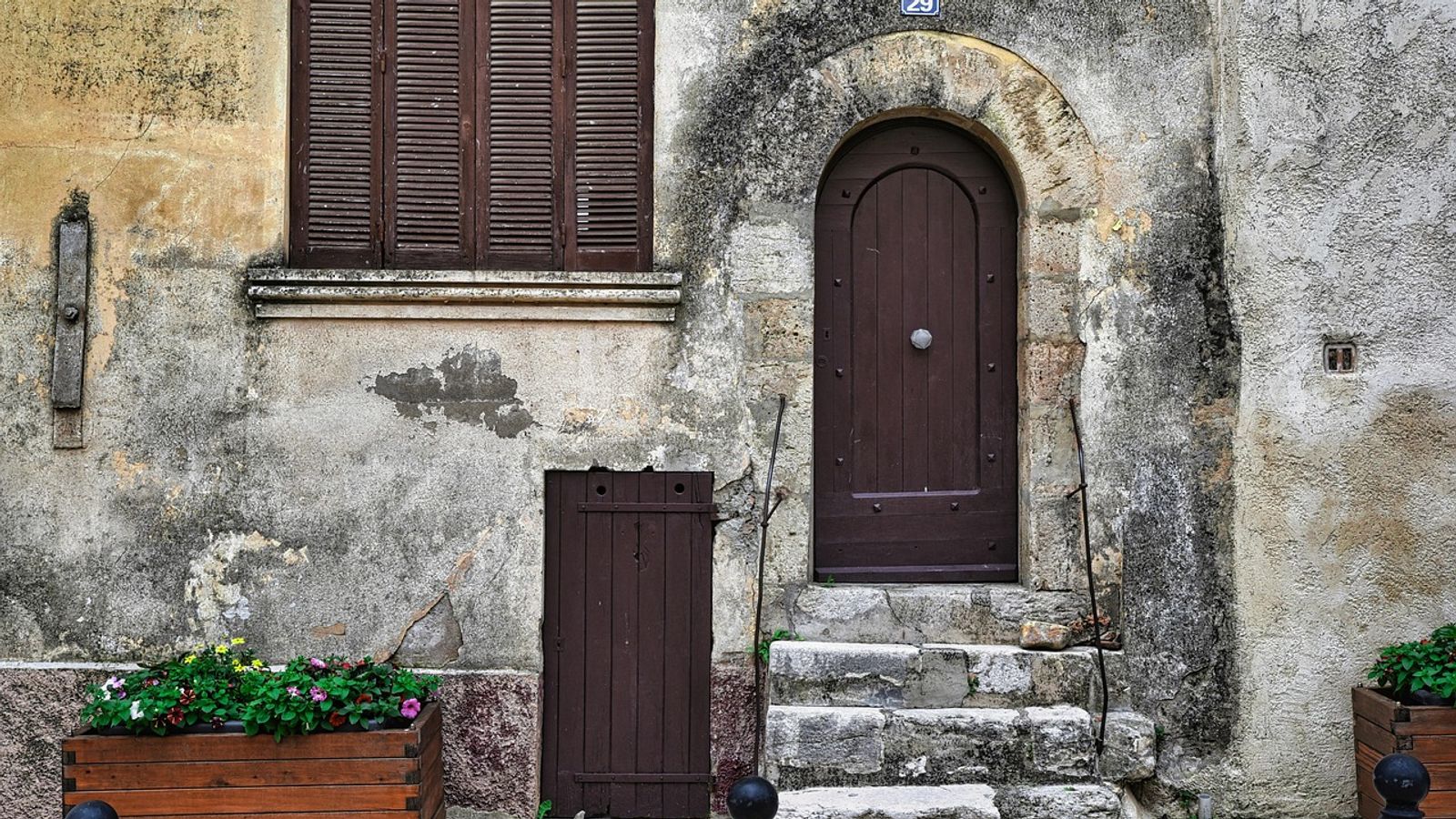
Your front door occupies less than two percent of your home's facade yet commands outsized attention from visitors, delivery drivers, and anyone passing by. A tired or generic entry can undermine an otherwise well-maintained property, while a thoughtfully updated door creates an immediate sense of c
This guide explores practical options for adding character to your front door through surface treatments, accessory upgrades, and complementary enhancements. Each approach offers distinct benefits and maintenance considerations, allowing you to tailor the transformation to your home's architecture,
Assessing Your Starting Point
Before selecting updates, evaluate your existing door's condition and style. A solid-core wood door in good structural shape offers different opportunities than a steel or fiberglass unit. Check for rot, warping, or failed weatherstripping that might warrant replacement rather than cosmetic improvem
Consider the surrounding context as well. Note your home's siding material, trim color, roof line, and any existing architectural details like columns, sidelights, or transoms. The most successful door updates harmonize with these elements rather than fighting them. A bright, contemporary color sche
Document current measurements for the door itself, sidelights if present, and the surrounding trim. These dimensions guide hardware selection, lighting placement, and any accessory additions. Photograph the entry from the street and from the walkway to understand how different viewing distances affe
Color and Finish Transformations
Paint remains the most cost-effective way to dramatically alter a door's presence. A well-chosen color can make an entry recede into the background or pop forward as a bold focal point. Deep jewel tones like navy, forest green, or burgundy convey traditional elegance and hide minor imperfections. Br
Surface preparation determines longevity more than paint quality. Remove the door from its hinges if possible, working on sawhorses in a garage or covered area. Sand the entire surface with 120-grit paper to create tooth for the new finish, paying special attention to glossy areas. Clean thoroughly
Apply two thin coats of exterior paint or stain rather than one thick coat. Thin layers dry faster, level more smoothly, and resist cracking better than heavy applications. For paint, use a high-quality brush for panel details and a small foam roller for flat areas to minimize brush marks. Allow the
Stain offers an alternative for wood doors where you want to preserve visible grain. Gel stains provide richer color and more even coverage than traditional liquid stains, particularly over existing finishes. They require less surface preparation but demand careful application to avoid lap marks. Ap
Hardware Upgrades That Command Attention
Door hardware serves both functional and decorative roles, and upgrading these elements delivers immediate visual impact with minimal skill required. Handlesets, deadbolts, hinges, and accessories come in finishes ranging from polished brass and oil-rubbed bronze to matte black and brushed nickel. C
Handlesets combine a decorative exterior handle with an interior knob or lever, creating a unified look. Traditional handlesets feature ornate backplates and curved handles suited to colonial, Victorian, or Mediterranean architecture. Contemporary designs offer clean lines and minimal ornamentation
Installation typically requires only a screwdriver and possibly a drill for new pilot holes. Remove the old hardware completely, including strike plates and latch assemblies. Clean the door surface around the hardware locations. Position the new exterior handleset, ensuring it's level before marking
Decorative hinges add character to doors that swing open to reveal the hinge edge. Strap hinges, particularly in black iron or antique bronze, suit craftsman, farmhouse, and rustic styles. Ornamental ball-tip or fleur-de-lis hinges complement traditional and colonial architecture. Replacing function
Lighting That Frames and Welcomes
Entry lighting serves security, safety, and aesthetic functions. Well-chosen fixtures draw attention to the door while illuminating the threshold for safe navigation after dark. Wall-mounted sconces flanking the door create balanced, formal symmetry. A single overhead lantern or pendant offers a mor
Traditional lantern styles with clear or seeded glass suit colonial, craftsman, and farmhouse architecture. Modern geometric fixtures in matte black or brushed metal complement contemporary and mid-century homes. Coastal properties benefit from nautical-inspired fixtures with weathered finishes. Con
Replacing existing light fixtures requires working with electrical wiring. If you're comfortable with basic electrical work and your local jurisdiction allows homeowner electrical modifications, turn off power at the circuit breaker before removing the old fixture. Verify power is off using a non-co
If you're uncertain about electrical work, hire a licensed electrician. This is particularly important if you're adding new fixtures where none existed, which requires running new wiring and may require permits depending on your local building authority. Even simple fixture replacement can reveal ou
Architectural Accents and Accessories
Small architectural details can significantly enhance a door's character without structural modification. House numbers in a distinctive font and finish replace generic stick-on digits with intentional design. Oversized numbers in modern fonts suit contemporary homes, while traditional serif or scri
Door knockers add old-world charm and functional value. Traditional brass or iron knockers suit colonial and Victorian homes. Whimsical designs—pineapples, lions, nautical themes—inject personality while maintaining functionality. Install knockers at a comfortable height, typically 60 to 66 inches f
Kick plates protect the door's lower section from scuffs and dents while adding a polished detail. These metal plates typically span the door's width and extend 8 to 16 inches up from the bottom. Choose a finish matching your handleset and hinges. Installation involves marking the plate position, dr
Wreaths and seasonal decorations personalize the entry, but their mounting method matters. Avoid adhesive hooks that damage paint or leave residue. Over-the-door wreath hangers work well for lightweight decorations but may scratch the door's top edge over time. Screw-in hooks provide the most secure
Sidelights, Transoms, and Glass Treatments
If your entry includes sidelights or transom windows, these elements offer additional update opportunities. Frosted or textured window film provides privacy while admitting light. Patterns range from simple frosted finishes to decorative etchings mimicking leaded glass. Clean the glass thoroughly wi
Decorative glass inserts can replace clear or dated glass in doors and sidelights, though this modification requires careful measurement and often professional installation to maintain weathertight seals. Leaded, beveled, or stained glass inserts suit traditional architecture, while frosted or rain
Interior window treatments for sidelights—cellular shades, café curtains, or shutters—add privacy and insulation while contributing to the entry's interior appearance. These treatments don't affect curb appeal directly but improve the entry's functionality and comfort, making the space more welcomin
Surrounding Elements That Enhance the Door
The area immediately surrounding your door influences how the door itself is perceived. Fresh paint on the door trim and frame creates clean definition. Choose a trim color that contrasts with both the door and the siding—white or cream trim makes colored doors pop, while dark trim creates dramatic
Potted plants flanking the entry add life and seasonal interest. Choose containers that complement your home's style—classic urns for traditional architecture, sleek rectangular planters for modern homes, weathered wood or galvanized metal for farmhouse styles. Select plants appropriate for your ent
Entry mats and rugs contribute both function and style. Coir mats with custom messages or patterns add personality while trapping dirt. Layering a decorative outdoor rug under a functional doormat creates depth and visual interest. Ensure mats lie flat to prevent tripping hazards and choose material
Maintenance Considerations for Updated Entries
Different update choices carry different maintenance obligations. Painted doors in bold colors require touch-ups every two to four years depending on sun exposure and weather. South and west-facing entries fade faster than protected northern exposures. Keep leftover paint for touch-ups, storing it i
Brass and copper hardware develops patina over time, which some homeowners appreciate and others dislike. Lacquered finishes resist tarnishing but eventually wear through, requiring removal and re-lacquering or acceptance of natural aging. Oil-rubbed bronze and matte black finishes hide wear better
Outdoor lighting fixtures accumulate dirt, spider webs, and insect debris. Clean glass and metal surfaces twice yearly with mild soap and water. Replace bulbs promptly to maintain balanced illumination and check weatherproof seals annually to prevent moisture intrusion that can damage electrical com
Wood doors require periodic inspection for finish failure, particularly along bottom rails where moisture accumulates. Reapply protective topcoats before bare wood becomes exposed to prevent rot. Steel and fiberglass doors need less maintenance but should be cleaned annually and inspected for paint
When to Call a Professional
Several door-related projects exceed typical homeowner capabilities or carry significant risk. Structural modifications—adding sidelights, enlarging the door opening, or installing a transom—require carpentry skills, proper framing techniques, and often permits from your local building authority. Th
Electrical work beyond simple fixture replacement should be performed by a licensed electrician. Running new circuits, installing low-voltage lighting systems, or troubleshooting existing wiring problems requires specialized knowledge and tools. Many jurisdictions require permits and inspections for
Door replacement itself, while not covered in this guide, becomes necessary when rot, warping, or failed weatherstripping compromise the door's function. A professional can assess whether repair or replacement makes more sense and ensure proper installation that maintains your home's energy efficien
Glass replacement in doors and sidelights requires precise measurement, proper sealing, and often specialized tools. Incorrect installation can lead to leaks, drafts, and even glass failure. Consult a glass professional for anything beyond applying decorative film.
Planning Your Update Strategy
Successful entry transformations typically proceed in phases rather than all at once. Start with the element that will deliver the most impact for your specific entry. A dated door in good condition benefits most from paint. A recently painted door with builder-grade hardware gains more from a handl
Budget your time and money realistically. A complete door repaint requires a full weekend when accounting for removal, preparation, painting, and curing time. Hardware installation takes two to four hours for a complete handleset and deadbolt. Lighting replacement ranges from one hour for a simple f
Consider seasonal timing for outdoor work. Paint and stain require moderate temperatures and low humidity for proper curing—typically 50 to 85 degrees Fahrenheit with humidity below 70 percent. Avoid painting in direct sunlight, which causes too-rapid drying and poor leveling. Spring and fall often
Coordinate updates for visual coherence. If you're changing the door color, select hardware finishes that complement the new hue. If you're upgrading lighting, ensure the fixture style harmonizes with your hardware choice. Creating a mood board with paint chips, hardware samples, and fixture photos
Your front door represents a small investment of space but a large opportunity for impact. By focusing on strategic updates that add character without requiring structural changes, you can transform your entry from forgettable to memorable, creating a welcoming first impression that reflects your ho
Sources
Original information
- Whole-House Weatherization — U.S. Department of Energy
- Home Safe: Power Tools Checklist — U.S. Consumer Product Safety Commission