
Selecting roof shingles for a Florida home requires balancing performance against extreme weather, longevity in a corrosive coastal environment, and compliance with building standards that reflect the state's unique hazards. Unlike northern climates where freeze-thaw cycles dominate material selecti
This guide walks you through the key factors that distinguish shingle materials in Florida's climate, explains how to interpret manufacturer specifications and building-code requirements, and identifies the tradeoffs between cost, durability, and installation complexity. You will learn what question
Understanding Florida's Roofing Environment
Florida's building codes incorporate wind-speed maps that divide the state into zones based on historical hurricane data. Coastal areas and the southern peninsula typically fall into higher wind zones, which mandate stronger attachment methods and impact-resistant materials. Your county or municipal
Humidity and temperature also shape material performance. Asphalt shingles soften in extreme heat, making them vulnerable to damage from foot traffic during summer maintenance. Algae and mold thrive on organic-based shingles in humid conditions, leading to black streaks that reduce curb appeal and m
Asphalt Shingle Options and Ratings
Three-tab asphalt shingles represent the most economical option, with a uniform flat appearance and a typical lifespan of 15 to 20 years in Florida. These shingles meet basic wind-resistance standards but often require additional fasteners or adhesive strips to achieve higher ratings. Architectural
When comparing asphalt shingles, examine the ASTM D7158 wind-resistance classification, which rates products as Class D (90 mph), Class G (120 mph), or Class H (150 mph). Florida's high-velocity hurricane zone, which includes most coastal counties and the southern tip, typically requires Class H shi
Algae-resistant shingles incorporate copper or zinc granules that inhibit organic growth. In Florida's humid climate, this feature extends the roof's aesthetic life and may reduce cleaning costs. Check whether the algae-resistance warranty covers discoloration or only structural integrity, and note
Metal Roofing Considerations
Metal roofing includes standing-seam panels, metal shingles that mimic traditional profiles, and corrugated sheets. Standing-seam systems feature vertical ribs and concealed fasteners, which eliminate penetration points that can leak and allow the panels to expand and contract with temperature chang
Aluminum and steel are the primary metal-roofing materials in Florida. Aluminum resists saltwater corrosion without additional coatings, making it the preferred choice within three miles of the coast. Steel offers greater strength and lower cost but requires factory-applied coatings—typically Galval
Metal roofs generate noise during heavy rain, which some homeowners find objectionable. Solid roof decking and attic insulation reduce sound transmission, but open-framing installations amplify drumming. If noise concerns you, request a site visit to a completed metal-roof installation during a rain
Concrete and Clay Tile Performance
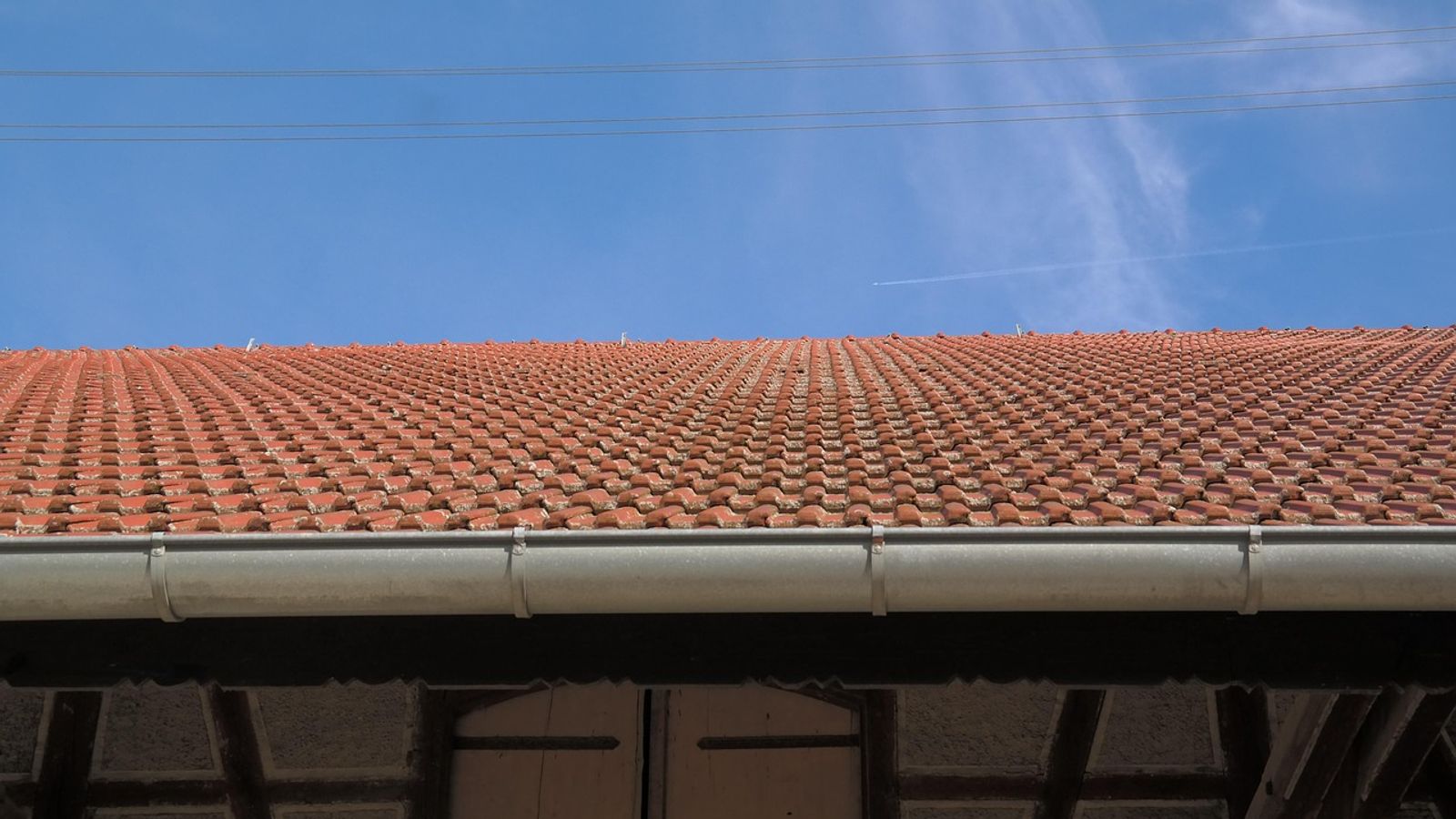
Concrete and clay tiles deliver 50-year or longer service lives in Florida, with superior fire resistance and minimal maintenance. Concrete tiles are molded from Portland cement, sand, and water, then cured and coated with acrylic or slurry finishes. Clay tiles are kiln-fired, producing a denser, mo
Tile profiles include flat, low-profile S-tiles, and high-profile barrel or mission tiles. Flat tiles suit contemporary architecture and offer the lowest wind resistance, while barrel tiles provide the classic Mediterranean aesthetic but create more uplift surface area. Manufacturers rate tiles for
Tile roofs require professional installation due to the precision needed for proper overlap, flashing integration, and load distribution. Walking on tiles can crack them, so plan for higher maintenance costs if you need frequent roof access for HVAC, solar panels, or satellite equipment. Replacement
Synthetic and Composite Shingle Alternatives
Synthetic shingles made from recycled rubber, plastic, or polymer blends mimic slate, wood shake, or tile appearances at lower weight and cost. These products resist impact, UV degradation, and biological growth, with warranties ranging from 30 to 50 years. Composite shingles combine multiple materi
Evaluate synthetic and composite products by requesting third-party test reports for wind resistance, fire rating, and impact resistance. Florida's building code references ASTM standards, so confirm that the product meets ASTM D7158 for wind, ASTM E108 for fire (Class A is best), and UL 2218 for im
Installation methods for synthetic shingles vary by manufacturer. Some products require specialized fasteners, adhesives, or underlayment systems that increase labor costs and limit the pool of qualified contractors. Verify that local roofing contractors have experience with your chosen product and
Comparing Costs and Value
Material cost per square is only one component of total roofing expense. Installation labor, tear-off and disposal of existing materials, roof-deck repairs, underlayment, flashing, ventilation upgrades, and permit fees often exceed shingle costs. Asphalt shingles typically cost least to install beca
Lifespan and maintenance costs shift the value equation. An asphalt roof that lasts 20 years and costs half as much as a tile roof that lasts 50 years delivers similar cost per year of service, but the tile roof eliminates two replacement cycles and associated disruption. Metal roofs require minimal
Energy efficiency affects operating costs. Reflective metal roofs and cool-colored tiles reduce attic temperatures by 20 to 30 degrees Fahrenheit, lowering air-conditioning demand. Some utilities and local governments offer rebates for Energy Star-rated roofing products. Calculate potential energy s
Interpreting Warranties and Certifications
Roofing warranties divide into material defect coverage from the manufacturer and workmanship guarantees from the contractor. Material warranties specify coverage duration, prorated versus non-prorated periods, transferability to subsequent owners, and exclusions for wind damage, algae growth, or im
Wind-damage coverage often requires upgraded installation methods—additional fasteners, starter strips, or adhesive—that exceed basic code requirements. The warranty will specify these "high-wind installation" steps and may require third-party inspection or certification. If you skip these upgrades
Certifications from Miami-Dade County, the Florida Building Code Product Approval system, or independent testing labs verify that products meet specific performance standards. A Miami-Dade Notice of Acceptance is mandatory for projects in that county and recognized statewide as evidence of rigorous
Gathering Information for Contractor Discussions
Before meeting with roofing contractors, compile your property's wind zone, any homeowners-association architectural guidelines, your budget range, and aesthetic preferences. Measure your roof's square footage using online satellite tools or property records, recognizing that complex roof shapes wit
Request product data sheets for the specific shingle models each contractor proposes, not generic brand brochures. Compare the ASTM test results, warranty terms, and approved fastener schedules. Ask contractors to explain how they will meet high-wind installation requirements and whether they carry
Discuss the roof deck and underlayment as thoroughly as the shingles. Florida's building code requires self-adhering polymer-modified bitumen underlayment or mechanically attached underlayment with sealed laps in high-wind zones. Damaged or inadequate roof decking must be replaced before shingle ins
When to Involve Engineers and Specialists
Structural concerns require a licensed engineer's evaluation. If you are switching from lightweight asphalt to heavy tile, an engineer must calculate whether existing framing can support the added load or specify reinforcement. Homes built before modern wind-load requirements may need hurricane stra
Historic homes, buildings in flood zones, or properties with solar panels, green roofs, or unconventional framing also benefit from specialist input. A roofing consultant—independent of contractors—can review proposals, verify code compliance, and recommend materials suited to your specific conditio
Permitting and inspection are non-negotiable for roofing projects in Florida. The contractor typically handles permit applications, but you remain legally responsible for code compliance. Confirm that the contract specifies permit acquisition, required inspections, and final approval. Inspectors ver
Making Your Final Selection
Weigh performance, cost, aesthetics, and long-term value against your priorities. If you plan to sell within five years, asphalt shingles offer adequate protection and broad buyer appeal at the lowest cost. If you intend to stay decades, tile or metal roofing delivers superior durability and energy
Review multiple contractor proposals side by side, comparing not just price but material specifications, warranty coverage, payment schedules, and project timelines. Beware of unusually low bids that may indicate substandard materials, unlicensed labor, or plans to cut corners. Check contractor refe
Once you select a material and contractor, document everything in writing. The contract should specify shingle brand and model, color, quantity, underlayment type, flashing materials, fastener specifications, deck-repair allowances, debris removal, start and completion dates, payment schedule tied t
Sources
Original information
- Online Permit Submission — City of Jacksonville
- Florida Building Code Resources — Florida Building Commission