
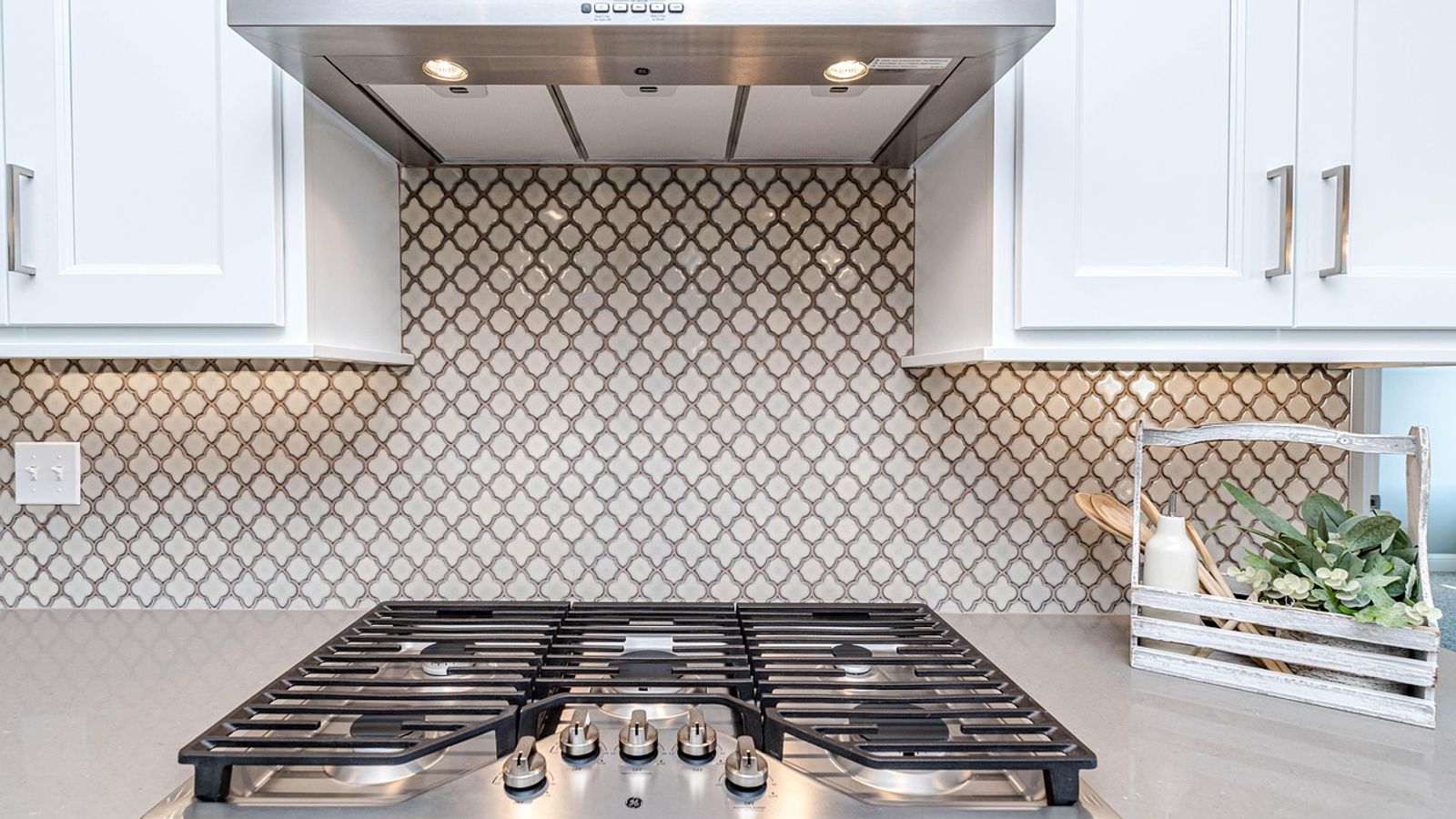
An induction range can be a practical fit for your kitchen if you have compatible cookware, adequate electrical service, and a budget that accommodates both the appliance and any necessary electrical upgrades. Induction technology heats cookware through electromagnetic fields rather than thermal con
Understanding how induction cooking works clarifies both its advantages and limitations. When you turn on an induction element, an electromagnetic coil beneath the glass-ceramic surface generates a rapidly alternating magnetic field. This field induces electrical currents in ferromagnetic cookware p
Electrical Service and Installation Requirements
Most induction ranges require a dedicated 240-volt circuit, identical to the electrical service used by conventional electric ranges. A typical induction range draws between 30 and 50 amperes, and the circuit must be sized according to the manufacturer's specifications and the National Electrical Co
Electrical panel capacity becomes the critical constraint in many homes. If your main service panel is already near its rated capacity or lacks available breaker slots, adding a 40- or 50-ampere circuit may require a panel upgrade. A licensed electrician can perform a load calculation to determine w
Cookware Compatibility and Replacement Costs
Induction cooking requires ferromagnetic cookware—pots and pans that contain enough iron to interact with the electromagnetic field. Cast iron and most stainless steel cookware work without modification, but aluminum, copper, glass, and some stainless alloys will not heat on an induction element unl
The cost of replacing incompatible cookware varies widely depending on your current collection and cooking habits. A basic set of induction-compatible stainless steel pots and pans starts around two hundred dollars, while high-end clad stainless or enameled cast iron can run into the thousands. If y
Cookware flatness and diameter also matter more on induction than on gas or conventional electric ranges. Warped pans with concave or convex bottoms may not make sufficient contact with the glass surface, causing the element to cycle on and off or fail to detect the cookware entirely. Induction elem
Performance Characteristics and Cooking Adjustments
Induction ranges excel at tasks requiring rapid heat changes. Water boils faster, sauces reduce more quickly, and temperature adjustments—both up and down—take effect within seconds rather than minutes. The precise control benefits delicate operations such as tempering chocolate, making custards, or
These performance advantages require some adaptation if you're accustomed to gas cooking. Visual cues disappear: there's no flame height to gauge, and the glass surface provides no indication of which elements are active beyond indicator lights or digital displays. Many cooks find the responsiveness
Ventilation and Kitchen Integration
Induction cooking produces less ambient heat than gas or conventional electric ranges, which can reduce the load on your kitchen ventilation system and improve comfort during summer cooking. However, you still need adequate ventilation to remove steam, cooking odors, and airborne grease. The cooler
Physical dimensions and clearances follow the same standards as conventional ranges. Most induction ranges are available in 30-inch and 36-inch widths to fit standard cabinet openings, and freestanding models include finished sides and a backsplash. Slide-in and drop-in configurations require cabine
Cost Analysis and Long-Term Economics
Induction ranges typically cost more than comparable gas or conventional electric models. Entry-level freestanding induction ranges start around one thousand dollars, while high-end models with advanced features can exceed five thousand. This premium reflects the electromagnetic technology, digital
Operating costs depend on local electricity rates and your cooking patterns. Induction ranges convert roughly 85 to 90 percent of electrical energy into heat in the cookware, compared to about 65 to 70 percent for conventional electric coils and 40 to 55 percent for gas burners. This efficiency adva
Reliability and repair costs present another consideration. Induction ranges contain sophisticated electronics and electromagnetic coils that may be more expensive to repair than the simple heating elements in conventional electric ranges or the burners and igniters in gas appliances. Replacement pa
Safety Considerations and Household Factors
Induction cooking eliminates open flames and exposed heating elements, reducing burn risks and the possibility of igniting nearby combustibles. The cooktop surface remains cool except where it contacts hot cookware, so accidental contact with an inactive zone won't cause burns. Most induction ranges
However, induction technology introduces considerations for people with implanted medical devices. Electromagnetic fields from induction cooktops can potentially interfere with pacemakers, defibrillators, and other electronic implants. Medical device manufacturers and professional organizations offe
When to Call a Professional
Electrical work beyond replacing an existing range receptacle requires a licensed electrician. Running new circuits, upgrading electrical panels, and any work involving the main service entrance or meter base must be performed by qualified professionals. These tasks involve life-safety systems, requ
Gas line work also requires professional expertise. If you're converting from gas to induction, the existing gas supply line must be properly capped and tested for leaks. This work typically requires a licensed plumber or gas fitter and may be subject to inspection by the authority having jurisdicti
Appliance installation itself falls into a gray area. Physically positioning a freestanding range and plugging it into an existing, compatible receptacle is within the capabilities of most homeowners, provided you follow the manufacturer's instructions for anti-tip bracket installation and clearance
Making the Decision
An induction range is worth the investment when your priorities align with its strengths: rapid heating, precise control, easy cleanup, and reduced ambient heat. The technology makes the most sense when you're already replacing an electric range and have compatible cookware, minimizing the additiona
Before committing to an induction range, verify your electrical service capacity with a licensed electrician, inventory your cookware for magnetic compatibility, and consider whether the performance characteristics match your cooking style. Test-cook on an induction cooktop if possible—many applianc
The practical fit depends less on whether induction technology is objectively superior than on whether its specific advantages address your needs and its limitations fit within your constraints. For some households, the speed, precision, and safety features justify every dollar and accommodation. Fo
Sources
Original information
- Consumer Guide to Kitchen Appliances — U.S. Department of Energy
- WaterSense Home Maintenance — U.S. Environmental Protection Agency