
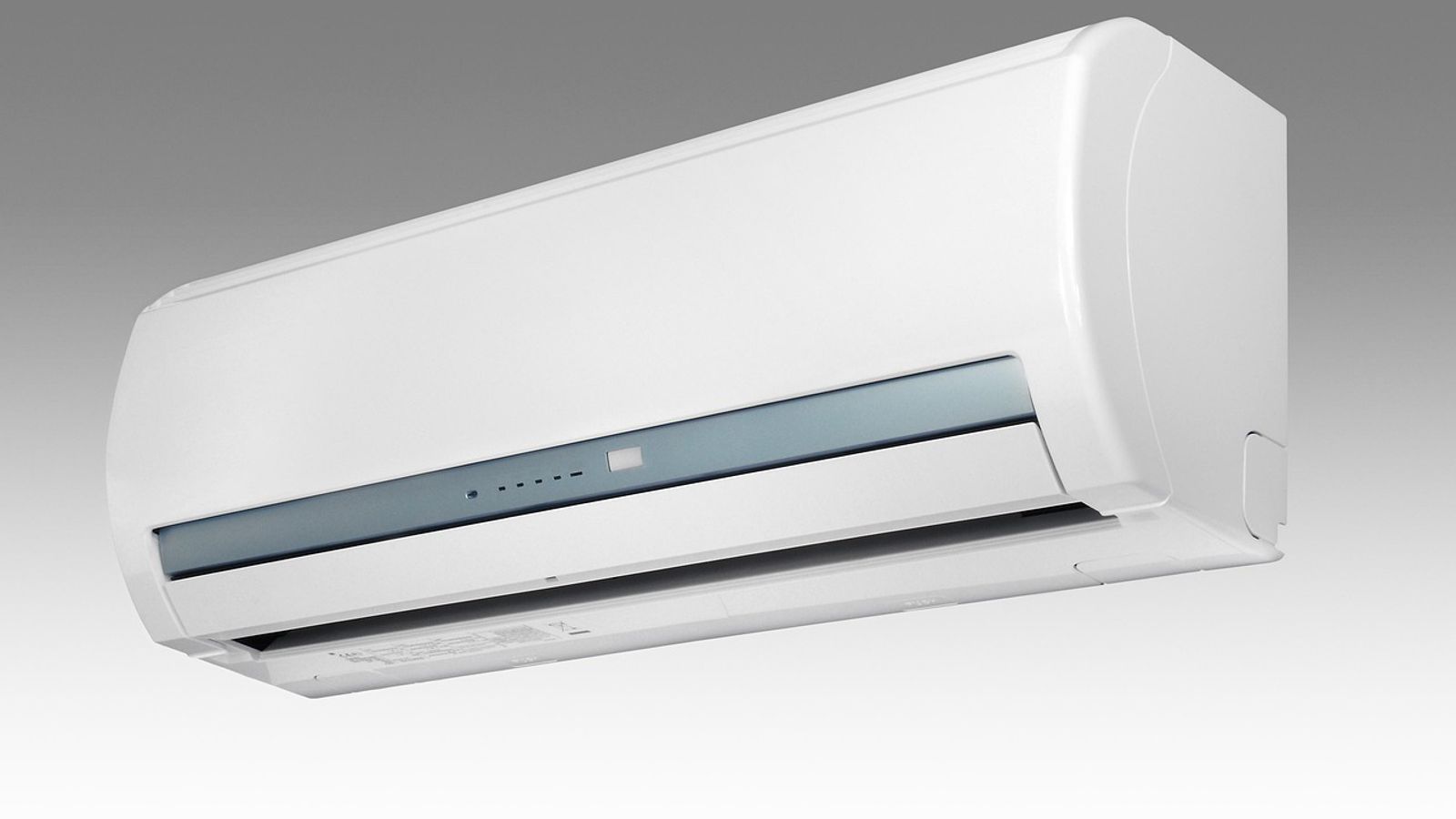
Poor airflow between rooms creates uncomfortable temperature variations, stale air pockets, and inefficient heating and cooling. One bedroom swelters while another stays chilly, or a closed office becomes stuffy within an hour. These circulation problems often stem from how homes compartmentalize sp
The strategies that follow range from immediate no-cost adjustments to modest installations requiring basic tools. Each approach carries distinct benefits, limitations, and maintenance implications. Your home's layout, existing HVAC configuration, and specific comfort goals will determine which comb
Understanding Your Current Airflow Pattern
Before implementing changes, identify where air moves freely and where it stagnates. Walk through your home on a day when the heating or cooling system runs actively. Note which rooms feel stuffy, which doors create noticeable pressure differences when opened, and where you feel air movement near re
Examine your existing vent layout. Most forced-air systems supply conditioned air through floor or ceiling registers and pull it back through larger return grilles, often located centrally or in hallways. Rooms far from returns or separated by closed doors may not circulate air effectively. Basement
Temperature variations exceeding three to four degrees between rooms on the same floor suggest circulation problems rather than equipment inadequacy. A infrared thermometer provides objective measurements, though simply noting which spaces feel uncomfortable reveals most issues. Document your observ
Door Modifications for Continuous Circulation
Closed doors create the most common airflow barrier. Privacy, noise control, and pet containment make fully open doors impractical in many homes, but several modifications allow air passage while maintaining separation. Undercutting interior doors—trimming the bottom edge to create a larger gap abov
This modification requires removing the door, marking a level cut line, and trimming with a circular saw or handsaw guided by a straightedge. Hollow-core doors cut easily, while solid-wood doors demand sharper blades and more careful technique. The gap allows return air to flow from closed rooms bac
Transfer grilles offer a more controlled alternative. These louvered vents install in pairs—one near the door top on each side—creating an air passage through the wall while maintaining the door's seal. Standard transfer grilles measure six by twelve inches or similar dimensions, moving 50 to 150 cu
Transfer grilles maintain better sound isolation than undercut doors and allow airflow regardless of door position. However, they create permanent wall penetrations, require patching if removed, and transmit some noise and light between spaces. Placement near the ceiling maximizes warm-air transfer
Louvered doors or doors with decorative cutouts provide another option, particularly for closets, laundry rooms, and utility spaces where privacy matters less. These allow continuous airflow while maintaining visual separation. Replacement involves standard door-hanging procedures but commits the sp
Strategic Fan Placement
Portable and installed fans move air between spaces without modifying building structure. Box fans positioned in doorways create directional flow, pulling air from one room and pushing it into another. Orientation determines effect—facing into a hot room pulls cooler air from adjacent spaces, while
This approach costs little and requires no installation, but fans occupy floor space, create noise, and consume electricity continuously. Standard box fans draw 50 to 100 watts, adding modest utility costs if run constantly. Positioning fans in doorways also reduces passage clearance and creates a t
Ceiling fans improve circulation within rooms but also influence air movement into adjacent spaces when doors remain open. Running ceiling fans in a counterclockwise direction (when viewed from below) during cooling season pushes air downward, creating a breeze effect and drawing air from doorways a
Installing ceiling fans requires electrical knowledge and comfort working on ladders. If a ceiling box already exists and is rated for fan support, replacement involves disconnecting power, removing the old fixture, and mounting the fan according to manufacturer instructions. Adding a fan where none
Through-wall fans offer a more targeted solution, actively moving air between specific rooms. These units mount in a wall opening similar to transfer grilles but include a powered fan that forces air movement regardless of pressure differences. Models range from simple bathroom-exhaust-style fans to
Installation requires cutting a wall opening, running electrical power to the location, and mounting the fan housing. This creates a permanent modification and involves electrical work that may require permits and professional installation depending on local requirements and your skill level. Throug
Optimizing Existing HVAC Components
Many homes have adjustable registers and dampers that allow airflow rebalancing without adding equipment. Supply registers typically include a lever or wheel that opens or closes internal louvers, controlling how much conditioned air enters each room. Partially closing registers in rooms that overco
Walk through your home and adjust registers incrementally, then allow several hours for temperatures to stabilize before assessing results. Keep at least 75 percent of registers at least halfway open to avoid excessive pressure buildup. If your system includes zone dampers in the ductwork, these pro
Return-air pathways matter as much as supply distribution. Systems with a single central return often struggle to pull air from distant rooms, especially through closed doors. Adding return registers in problem rooms dramatically improves circulation but requires running new ductwork—a significant p
Some homes benefit from jump ducts—short duct runs connecting a room to the hallway or adjacent space through the attic or crawlspace. These function like transfer grilles but route air around obstacles and can move larger volumes. Installation involves cutting ceiling or floor openings, running ins
Whole-House Ventilation Strategies
Whole-house fans installed in attic access points pull large volumes of air through the home and exhaust it into the attic, creating powerful circulation when outdoor temperatures are comfortable. Opening windows throughout the home allows fresh air to enter while the fan pulls it through all spaces
Installation requires mounting a large fan in a ceiling opening with access to attic space, providing adequate attic ventilation to exhaust the air volume, and ensuring the attic structure can handle the airflow without damage. Professional installation is typical due to the electrical requirements,
The maintenance commitment includes cleaning the fan and louvers seasonally, ensuring the attic vents remain clear, and closing or insulating the fan opening during heating season to prevent heat loss. Noise levels vary by model but generally exceed ceiling fan noise significantly. Consider whether
Energy recovery ventilators and heat recovery ventilators provide continuous fresh-air exchange while minimizing energy loss, improving overall air quality and circulation. These systems pull stale air from bathrooms and central areas while bringing fresh air into living spaces, transferring heat be
These systems address air quality and freshness more than room-to-room temperature balance, but improved overall circulation often helps equalize temperatures. The investment is substantial, both in equipment and installation, and ongoing maintenance includes filter changes and periodic heat-exchang
When to Call a Qualified Professional
Several airflow issues indicate problems beyond simple circulation adjustments. If your HVAC system short-cycles, runs continuously without reaching set temperature, or creates strong pressure differences that slam doors or whistle loudly, the system may be improperly sized, have duct leaks, or suff
Any work involving electrical circuits beyond replacing a light fixture, modifications to gas lines or equipment, refrigerant systems, or structural alterations to load-bearing walls requires appropriate professional credentials. Many jurisdictions require permits and inspections for electrical work
Persistent humidity problems, condensation on windows or walls, or musty odors suggest ventilation inadequacy that simple airflow improvements may not resolve. A qualified professional can assess whether your home needs enhanced mechanical ventilation, dehumidification, or air-sealing to address moi
Evaluating Results and Adjusting Approach
After implementing changes, allow at least several days of typical weather and system operation before assessing effectiveness. Temperature differences between rooms should narrow, stuffy sensations should diminish, and the HVAC system should cycle more normally. Use the same measurement points and
Some solutions deliver immediate obvious improvement, while others provide subtle benefits that accumulate. Combining multiple approaches often works better than relying on a single strategy—undercutting doors plus strategic fan placement, or register adjustment plus transfer grilles. If initial mod
Seasonal changes affect which strategies work best. Approaches that improve cooling-season comfort may need adjustment for heating season, particularly fan directions and register settings. Plan to revisit your configuration twice yearly, making small adjustments as outdoor conditions shift. This on
Airflow improvements rarely require expensive equipment or extensive renovation. Most homes benefit substantially from thoughtful, low-disruption modifications that work with existing systems. By understanding your specific circulation patterns and selecting appropriate strategies, you can achieve m
Sources
Original information
- Heating and Cooling Maintenance Checklist — ENERGY STAR
- Energy Saver Guide — U.S. Department of Energy