
Water damage ranks among the most expensive and disruptive problems homeowners face, yet most leaks begin small and go unnoticed for hours or days. A slow drip under a kitchen sink can saturate cabinetry and flooring before you spot the first visible sign. A washing machine supply line can fail whil
The right leak-detection strategy depends on your home's layout, your risk tolerance, and how much integration you want with other systems. Standalone battery-powered sensors offer simplicity and portability. Wired systems with central hubs provide whole-home monitoring and remote alerts. Smart devi
Understanding Leak-Detection Technologies
Most residential leak detectors use one of three sensing methods. Probe-style sensors place two metal contacts on the floor or surface; when water bridges the gap between them, the circuit closes and triggers an alarm. Rope or cable sensors extend a conductive cord along baseboards, behind appliance
Probe sensors work well in confined spaces like under sinks or behind toilets where water will pool in predictable locations. They require direct contact with standing water, so placement matters significantly. Rope sensors excel in laundry rooms, along water heater perimeters, and beneath dishwashe
Battery-powered standalone units emit loud alarms when they detect moisture. These devices require no wiring or network connection, making them the simplest option for renters or homeowners who want immediate protection without installation complexity. The tradeoff is that you must be within earshot
Wi-Fi-enabled smart sensors connect to your home network and send alerts to your smartphone regardless of your location. These devices typically require a power source, either batteries or a plug-in adapter, and depend on reliable internet connectivity. When your network goes down or your router los
Hub-based systems use a central controller that communicates with multiple sensors throughout your home. The hub connects to your router and manages all alerts, battery status, and sensor health checks. This architecture allows you to monitor dozens of locations from a single interface and often int
Strategic Placement in High-Risk Areas
Kitchens present multiple leak sources that benefit from targeted monitoring. The cabinet beneath the sink houses supply lines, drain connections, and often a garbage disposal with its own drain fittings. Place a sensor at the lowest point of the cabinet floor, typically toward the back where water
Bathrooms concentrate plumbing in small spaces, creating concentrated risk zones. Under-sink vanities benefit from the same placement strategy as kitchen sinks. Toilets warrant sensors behind the base where supply line connections hide and where tank condensation or slow seal leaks accumulate. If yo
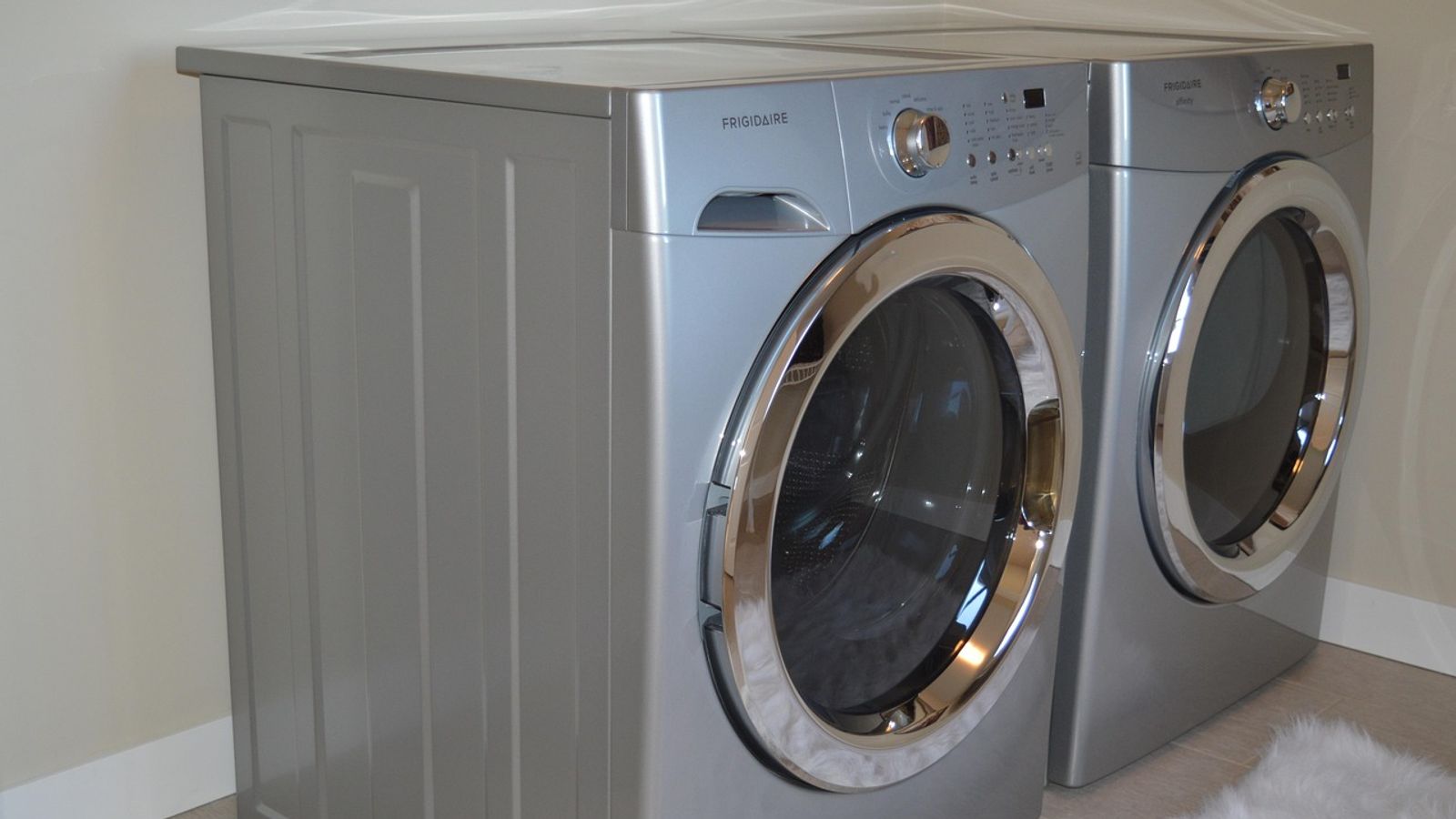
Laundry rooms combine high water volume with flexible supply lines that experience frequent pressure changes. Washing machine hoses fail more often than rigid plumbing, and when they do, water flows at full household pressure until someone shuts the valves or the main supply. Position sensors behind
Water heaters in basements, garages, or dedicated closets deserve dedicated monitoring regardless of location. Tank-style heaters can fail catastrophically, releasing dozens of gallons in minutes. Tankless units have fewer failure modes but still risk leaks from heat exchanger connections or condens
Standalone Sensors Versus Integrated Systems
Standalone battery-powered sensors cost between fifteen and forty dollars per unit and require no installation beyond placing them in the desired location. You can move them easily when you rearrange appliances or identify new risk areas. The loud local alarm—often 85 decibels or higher—will wake yo
The limitation of standalone sensors is their inability to alert you remotely. A leak that begins while you're at work or on vacation will trigger the alarm, but no one will hear it. Water will continue flowing until you return or a neighbor notices and contacts you. If you travel frequently or spen
Smart Wi-Fi sensors add remote notification capability for an additional investment of twenty to sixty dollars per sensor. Setup requires downloading a manufacturer's app, connecting the sensor to your wireless network, and configuring notification preferences. Most apps allow you to designate multi
Network dependency introduces a vulnerability that standalone sensors avoid. If your internet service fails, your router loses power, or the manufacturer's cloud service experiences an outage, remote alerts may not reach you. Some sensors store event logs locally and sync them when connectivity retu
Hub-based systems offer the most robust monitoring at the highest initial cost. A typical starter kit with a hub and three sensors costs between one hundred fifty and three hundred dollars, with additional sensors priced at thirty to fifty dollars each. The hub plugs into your router via Ethernet ca
These systems integrate with smart home platforms including Amazon Alexa, Google Home, and Apple HomeKit, enabling voice queries about sensor status and automated responses to leak detection. You can program the system to flash lights, sound whole-home alarms, or trigger smart water shutoff valves w
Automated Water Shutoff Integration
Leak detection provides early warning, but automated shutoff prevents ongoing damage by stopping water flow at the source. Whole-home shutoff valves install on the main water line where it enters your house, typically near the water meter or pressure regulator. These motorized ball valves receive si
Whole-home shutoff offers maximum protection but also maximum disruption. When the system detects a leak and closes the main valve, all water flow stops throughout the house. Toilets won't flush, faucets won't run, and appliances cannot operate until you investigate the alert, address the leak, and
Appliance-specific shutoff valves provide targeted protection without whole-home disruption. These devices install on individual supply lines serving washing machines, dishwashers, water heaters, or refrigerators. When a nearby sensor detects moisture, the valve closes only that appliance's supply,
Installing shutoff valves on supply lines involves working with pressurized water systems. You must shut off the upstream supply, drain the line, cut or disconnect the existing pipe, and install the motorized valve with proper thread sealant or solder joints. If you lack plumbing experience or the n
Flow-based leak detection monitors water usage patterns rather than relying on floor sensors. These systems install a sensor on the main water line that measures flow rate and duration. Machine learning algorithms establish your household's normal usage patterns, then alert you to anomalies like con
Maintenance and Testing Protocols
Leak sensors require periodic testing to ensure they'll function when needed. Most manufacturers recommend monthly tests using a damp cloth or sponge pressed against the sensor contacts. The alarm should sound within seconds for probe and rope sensors, and within a minute for absorption-type sensors
Battery replacement schedules vary by model and usage. Sensors that connect to Wi-Fi or check in with a hub frequently consume more power than simple standalone units. Most devices provide low-battery warnings through audible beeps, app notifications, or LED indicators. Replace batteries promptly wh
Hub-based systems typically include battery status monitoring in their apps, showing remaining charge for each sensor. This centralized view makes it easier to track multiple devices and plan battery replacements before failures occur. Some hubs send proactive reminders when batteries reach predeter
Rope sensors accumulate dust and debris over time, which can interfere with moisture detection or cause false alarms. Vacuum the rope gently during routine cleaning, or wipe it with a barely damp cloth if it becomes visibly soiled. Avoid saturating the rope during cleaning, since this will trigger t
Addressing False Alarms and Sensor Drift
Condensation from air conditioning ducts, refrigerator coils, or toilet tanks can trigger leak sensors even when no plumbing failure has occurred. If you experience repeated false alarms in the same location, investigate whether condensation is the culprit. Insulating cold water pipes, improving ven
High humidity environments like bathrooms during showers can affect some sensor types, particularly absorption-style sensors that respond to ambient moisture. If your bathroom sensor alarms during or immediately after showers, consider switching to a probe-style sensor that requires standing water t
Sensor contacts can corrode over time, especially in humid environments or if they've been exposed to water repeatedly. Corrosion may cause intermittent false alarms or prevent the sensor from detecting actual leaks. Inspect contacts annually for discoloration, white or green deposits, or pitting. L
When to Call a Professional
Installing leak sensors is a homeowner-appropriate task that requires no special licensing or permits. However, addressing the leaks they detect often requires professional expertise. If a sensor alerts you to moisture under a sink and you cannot identify an obvious source like a loose connection or
Integrating automated shutoff valves with your plumbing system involves cutting water lines, making permanent connections, and ensuring proper valve operation under pressure. Unless you have plumbing experience and the necessary tools—pipe cutters, soldering equipment or threading tools, and appropr
Electrical work required for powered sensors or motorized valves may fall under local electrical codes. If you need to install new outlets, run wiring through walls, or connect devices to your electrical panel, check with your local building authority about permit requirements and whether the work r
Smart home integration troubleshooting can exceed typical homeowner expertise when it involves network configuration, firewall settings, or compatibility issues between devices from different manufacturers. If your sensors won't connect to your hub, your hub won't communicate with your smart home pl
Planning Your Leak-Detection Strategy
Begin by identifying your highest-risk areas based on plumbing age, appliance condition, and previous leak history. A twenty-year-old washing machine with original hoses presents greater risk than a new dishwasher with factory-fresh connections. Prioritize sensors for these high-risk locations first
Consider your typical occupancy patterns when choosing between standalone and connected sensors. If someone is home most of the time, standalone sensors provide adequate protection at minimal cost. If you travel frequently, work long hours, or own a vacation property you visit periodically, remote n
Budget for ongoing costs beyond the initial sensor purchase. Battery replacements, subscription fees for cloud services or cellular backup, and eventual sensor replacement as units age or fail all contribute to total cost of ownership. A fifteen-dollar standalone sensor that requires annual battery
Integration with existing smart home systems may influence your choice of sensors and hubs. If you've already invested in a particular ecosystem—Amazon Alexa, Google Home, Apple HomeKit, or Samsung SmartThings—choosing compatible leak sensors simplifies setup and enables more sophisticated automatio
Sources
Original information
- WaterSense Home Maintenance — U.S. Environmental Protection Agency
- Fix a Leak Week — U.S. Environmental Protection Agency