
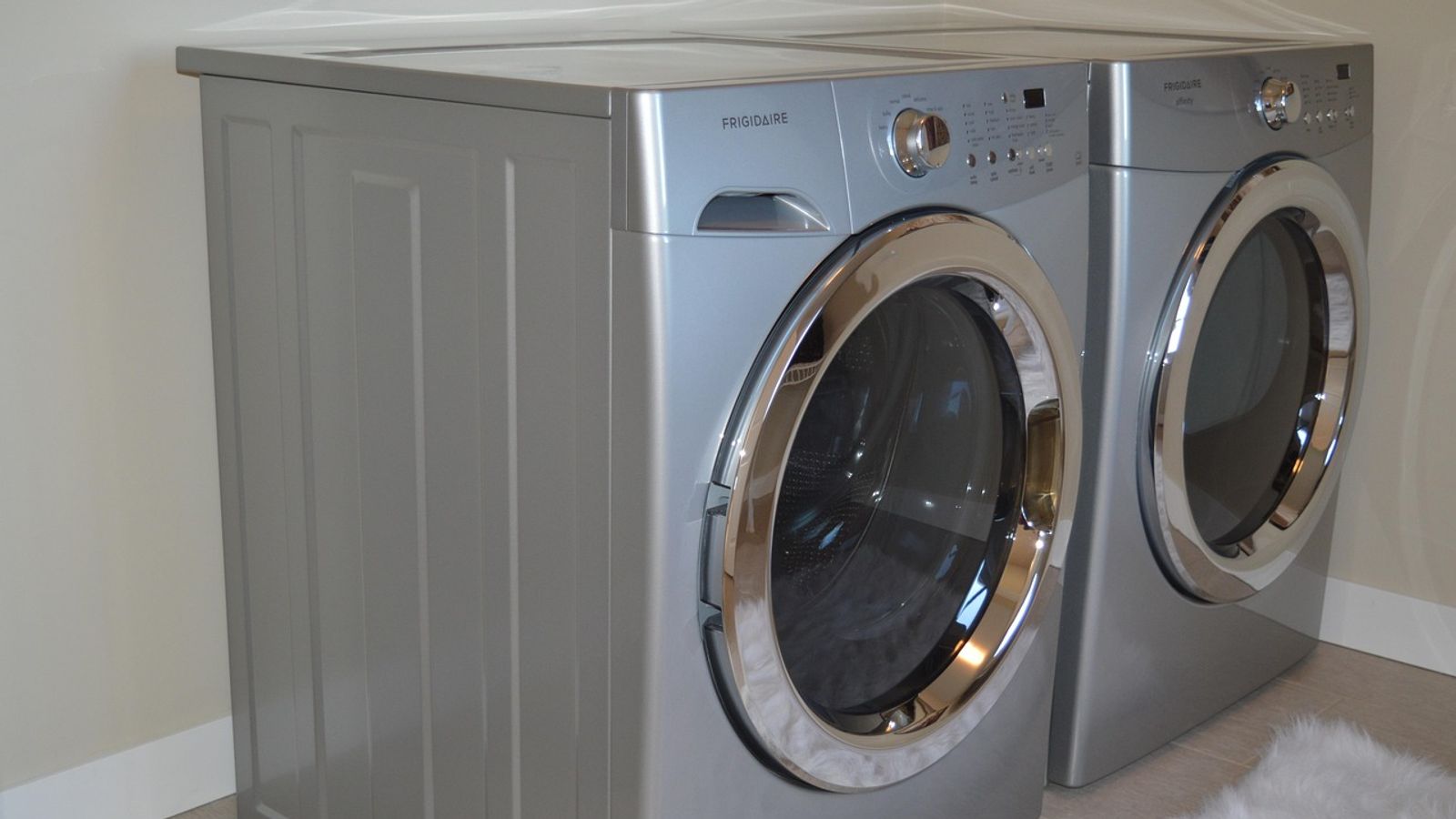
A small laundry area presents a design challenge that most homeowners face at some point. Whether you're working with a narrow closet, a corner of the basement, or a five-by-five alcove, the constraints force you to think carefully about every square foot. The good news is that thoughtful improvemen
Before investing in any improvement, measure your space carefully and document what currently works and what frustrates you. Note the dimensions of the floor area, ceiling height, door swing direction, and the clearances around your washer and dryer. Identify whether your machines are top-loading or
Understanding your actual laundry workflow helps prioritize improvements. Track where dirty clothes enter the space, where you sort items, where detergent and supplies live, where clean items go for folding, and where folded laundry waits before being put away. Many small-space frustrations stem fro
Vertical Storage Solutions
Wall-mounted shelving transforms unused vertical space into functional storage without consuming floor area. Open shelves work well above front-loading machines or along any blank wall, providing easy access to detergent, stain removers, dryer sheets, and other frequently used items. Adjustable shel
Closed cabinets offer a cleaner look and protect supplies from dust and humidity. Wall-hung cabinets can extend from countertop height to the ceiling, dramatically increasing storage capacity. Standard kitchen cabinets often fit laundry spaces, though you'll want to verify dimensions carefully. Inst
Tall, narrow shelving units fit into corners and beside machines where wider furniture won't work. Look for units 12 to 18 inches deep that can slide into tight gaps. Rolling carts with multiple tiers provide flexible storage that you can move aside when you need floor access for maintenance or clea
Appliance Configuration Changes
Stacking your washer and dryer vertically frees up significant floor space, typically creating room for a storage cabinet, shelving unit, or folding counter where the second machine previously sat. This configuration requires front-loading machines and a manufacturer-approved stacking kit that secur
Check your dryer vent routing before stacking, since the dryer will sit higher and the vent path may need adjustment. Rigid metal ductwork is safer and more efficient than flexible foil or plastic, and the path should be as short and straight as possible. If the new configuration requires rerouting
Compact or combination washer-dryer units offer another approach when floor space is severely limited. These machines are typically 24 inches wide instead of the standard 27 to 29 inches, and some models combine washing and drying in a single drum. The benefits include a smaller footprint and, in so
Switching from a top-loading to a front-loading washer creates usable surface area on top of the machine. You can place a countertop, cutting board, or custom platform across both machines to create a folding station. Ensure any surface you add is stable and doesn't interfere with machine vibration
Adding Functional Work Surfaces
A fold-down wall-mounted table provides a work surface when you need it and disappears when you don't. These tables attach to wall studs with heavy-duty hinges and fold flat against the wall. Sizes range from small 18-by-24-inch models to larger 24-by-48-inch surfaces. The mechanism must support the
A narrow countertop along one wall creates permanent workspace without overwhelming a small room. Depths of 15 to 18 inches provide enough surface for folding while leaving adequate clearance for movement. Materials range from laminate and butcher block to solid surface and tile, each with different
Pull-out surfaces hidden inside cabinets or between stacked machines offer workspace on demand. Some stacking kits include a pull-out shelf between the washer and dryer. Aftermarket pull-out ironing boards or folding surfaces can be installed in cabinets or even in the narrow gap beside a machine. T
Hanging and Drying Zones
Retractable clotheslines mount to opposing walls and extend when needed, then retract into a compact housing. These work well for air-drying delicates or items that shouldn't go in the dryer. Installation requires mounting brackets on studs or using appropriate wall anchors, since wet clothes create
Wall-mounted drying racks fold out from the wall to provide multiple bars for hanging clothes, then fold flat when not in use. These racks come in various sizes and weight capacities. The mounting plate must attach securely to studs, and the folding mechanism should operate smoothly without binding.
Ceiling-mounted drying racks use overhead space that's otherwise wasted. These systems typically feature a pulley mechanism that lowers the rack for loading and raises it out of the way for drying. Installation requires locating ceiling joists and using lag screws or other heavy-duty fasteners. If y
Door and Entryway Optimization
Replacing a standard hinged door with a pocket door or barn-style sliding door eliminates the floor space consumed by door swing. A pocket door slides into the wall cavity, requiring wall framing modifications that typically need a carpenter or contractor. The wall must have adequate depth and no ob
Over-the-door organizers add storage without tools or permanent installation. These fabric or metal units hang from the top of the door and provide pockets or shelves for supplies, cleaning tools, or small items. The weight capacity is limited by the door's strength and the hanger design, so avoid o
Removing a door entirely opens up the space and improves sight lines, though it sacrifices privacy and noise containment. This works best when the laundry area is in a basement, garage, or other location where privacy isn't a concern. If you remove a door, store the hardware and door safely in case
Sorting and Hamper Systems
Built-in sorting bins keep dirty laundry organized and off the floor. Pull-out hampers installed in base cabinets or custom-built cubbies provide separate compartments for whites, colors, and delicates. These systems require cabinet space and sometimes custom carpentry, but they streamline the sorti
Wall-mounted bag systems use fabric bags hung from hooks or a rail, with each bag designated for a different category. This approach is inexpensive and flexible, allowing you to adjust the number and position of bags as needed. The bags should be washable and have handles for easy removal. Mount hoo
Vertical hamper towers stack multiple compartments in a single footprint, maximizing floor efficiency. These freestanding units typically include three or four removable bags or bins. Look for stable construction that won't tip when bags are pulled out, and verify the unit fits your available floor
Lighting Improvements
Adequate lighting is essential for inspecting stains, reading care labels, and working safely. Many laundry areas rely on a single overhead fixture that creates shadows and provides insufficient illumination for detailed tasks. Adding under-cabinet lighting brightens work surfaces without consuming
Motion-sensor lights automatically illuminate the space when you enter, which is particularly useful when your hands are full of laundry. Battery-powered motion lights install without wiring, though you'll need to replace batteries periodically. Hardwired motion sensors require electrical work and s
Replacing a dim overhead fixture with a brighter, more efficient LED model improves visibility throughout the space. Ensure the new fixture is rated for the location—some laundry areas have high humidity that requires damp- or wet-rated fixtures. If you're comfortable working with electrical fixture
Utility and Supply Organization
Magnetic strips mounted on walls or the sides of machines hold scissors, stain-removal brushes, and other metal tools within easy reach. These strips install with screws or strong adhesive and keep frequently used items visible and accessible. Position them where they won't interfere with machine op
Lazy Susans or tiered organizers inside cabinets make supplies easier to access and prevent items from getting lost in the back. These rotating platforms work particularly well in corner cabinets or deep shelves. Choose sizes that fit your cabinet dimensions and leave enough clearance for the mechan
Clear, labeled containers create visual order and make it easy to see when supplies are running low. Decanting detergent, stain removers, and other products into uniform containers maximizes shelf space and improves appearance. Ensure containers are appropriate for the product—some chemicals require
Flooring and Drainage Considerations
Water-resistant flooring protects against leaks and spills that are inevitable in laundry areas. Vinyl, tile, and sealed concrete perform well in these conditions. If you're replacing flooring, ensure the subfloor is sound and level. Tile installation requires proper waterproofing and may benefit fr
A floor drain provides insurance against washing machine leaks or supply line failures. Adding a drain to an existing space requires breaking through the floor, installing drain piping with proper slope, and connecting to the home's drainage system—work that requires a licensed plumber and typically
Drain pans placed under washing machines catch small leaks and overflows before they damage flooring or spread to other areas. These shallow pans typically include a drain connection that routes to a floor drain or utility sink. Installation involves moving the machine, positioning the pan, leveling
When to Call a Professional
Certain improvements exceed the scope of typical homeowner projects and require qualified professionals. Electrical work beyond simple fixture replacement should be performed by a licensed electrician, particularly if you're adding circuits, relocating outlets, or working with your home's main panel
Plumbing modifications beyond connecting supply hoses—such as relocating water lines, adding drainage, or installing utility sinks—typically require a licensed plumber. HVAC work including dryer vent rerouting through walls or roofs, or adding ventilation fans, may require permits and professional i
If you encounter unexpected conditions during a project—such as water damage, mold, asbestos-containing materials, or structural issues—stop work and consult appropriate specialists. These conditions require proper assessment and remediation before continuing with improvements. Similarly, if a proje
Sources
Original information
- WaterSense Home Maintenance — U.S. Environmental Protection Agency
- Energy Saver Guide — U.S. Department of Energy