
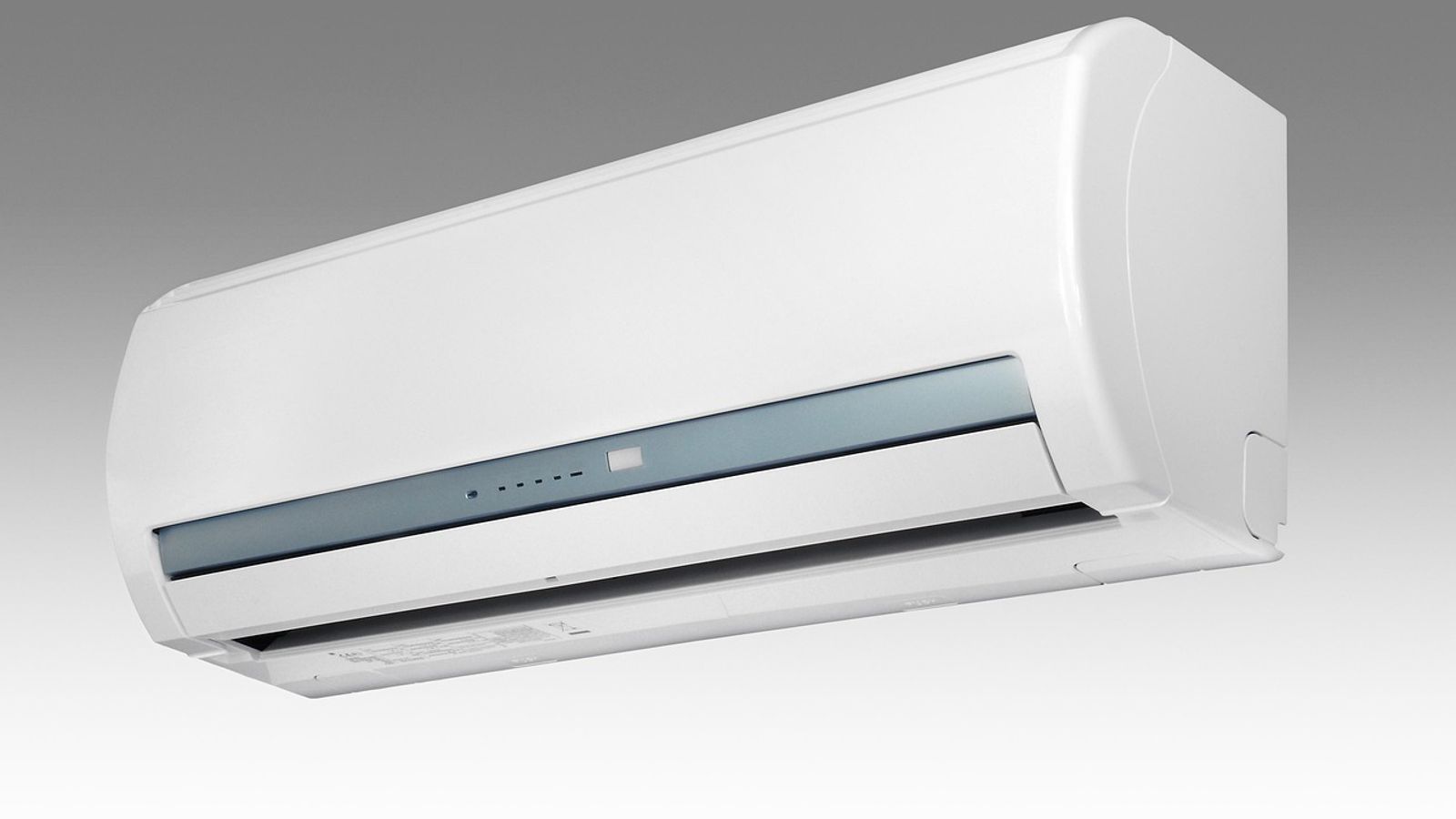
Safety boundary
Stop and reassess if
- Always shut off power at the breaker or outdoor disconnect before inspecting or cleaning the outdoor condenser unit.
- Never handle refrigerant or attempt to recharge the system; federal law restricts refrigerant work to EPA-certified technicians.
- Do not use a pressure washer on condenser coils; high pressure bends fins and reduces airflow.
- Avoid touching electrical components inside the air handler or outdoor unit; capacitors store lethal voltage even when power is off.
- If ice forms on the evaporator coil or refrigerant lines, shut down the system immediately to prevent compressor damage.
- Do not operate the air conditioner with the access panels removed; doing so creates electrical and mechanical hazards.
- Stop work and call a professional if you encounter unusual noises, burning smells, or repeated breaker trips.
An air conditioner that runs continuously without cooling the house signals a breakdown somewhere in the refrigeration cycle, airflow path, or control system. The compressor may hum outside, the blower may push air through vents, yet indoor temperature climbs or refuses to drop. This mismatch betwee
Understanding which problems fall within homeowner capability and which require professional tools, training, and certification protects both safety and equipment. Refrigerant handling, electrical diagnostics beyond the thermostat, and compressor work belong exclusively to qualified HVAC technicians
What Causes an Air Conditioner to Run Without Cooling
A functioning air-conditioning system moves heat from indoor air to the outdoors by circulating refrigerant through an evaporator coil inside the air handler and a condenser coil in the outdoor unit. When any component in this loop fails—or when airflow over the coils drops below design levels—the s
Restricted airflow is the most common culprit and the easiest for a homeowner to address. A clogged air filter starves the evaporator coil of air, preventing the refrigerant inside from absorbing heat. Ice forms on the coil, further blocking airflow and creating a self-reinforcing failure. Closed or
Refrigerant loss eliminates the medium that carries heat. Even a slow leak eventually drops system charge below the threshold needed for effective cooling. Low refrigerant reduces pressure in the evaporator, causing ice buildup and compressor strain. Because federal law restricts refrigerant handlin
Thermostat problems create the illusion of system failure when the air conditioner actually responds correctly to incorrect commands. A thermostat placed in direct sunlight, near a heat source, or in a room with poor air circulation reads a temperature higher than the whole-house average and calls f
Compressor failure represents the most expensive scenario. The compressor pumps refrigerant through the system; when it fails mechanically or electrically, refrigerant stops circulating even though the outdoor fan and indoor blower may continue to run. A compressor that hums without starting, trips
Ductwork leaks allow conditioned air to escape into attics, crawlspaces, or wall cavities before reaching living areas. A system that runs constantly while rooms stay warm may be cooling spaces you never occupy. Flex duct separated at joints, panned returns with gaps, and supply boots disconnected f
Homeowner Checks and Simple Fixes
Begin every diagnosis at the thermostat. Confirm the system is set to COOL, the fan is set to AUTO, and the target temperature sits at least five degrees below current room temperature. Replace the batteries if the display appears dim or blank. Remove the thermostat cover and inspect wire connection
Locate the air filter—typically in a slot at the return-air grille, inside the air-handler cabinet, or in a ceiling or wall return. Remove the filter and hold it to a light source. If light does not pass through, the filter is clogged and must be replaced. Even a filter that looks clean on the surfa
Inspect every supply register in the house. Open any that are closed or partially closed; cooling systems are designed to deliver air to all registers simultaneously, and closing vents forces air backward, increasing static pressure and reducing overall airflow. Check that furniture, curtains, or st
Move outside to the condenser unit. Shut off power at the outdoor disconnect or breaker panel before approaching the equipment. Clear leaves, grass clippings, and debris from around the unit, maintaining at least two feet of clearance on all sides. Examine the condenser coil fins—the metal grille su
Restore power and observe the outdoor unit while the thermostat calls for cooling. The compressor should hum or vibrate, and the condenser fan should spin. If the fan runs but the compressor remains silent, or if the compressor hums without the fan spinning, stop the system and contact an HVAC techn
Check the condensate drain line, usually a PVC pipe exiting the air handler near the evaporator coil. A clogged drain causes the overflow switch to shut down the system, though some units allow the blower to run while disabling the compressor. If you find standing water in the drain pan or no water
When to Call a Qualified HVAC Technician
Refrigerant work is illegal for unlicensed individuals. If you have ruled out airflow restrictions, thermostat errors, and power issues, and the system still fails to cool, refrigerant loss or a mechanical failure is likely. Ice on the evaporator coil, frost on refrigerant lines, hissing sounds near
Electrical diagnostics beyond the thermostat exceed homeowner capability. Testing capacitors, contactors, and compressor windings requires a multimeter, knowledge of expected voltage and resistance ranges, and awareness of high-voltage hazards. A compressor that will not start, a condenser fan that
Ductwork inspection and sealing in unconditioned spaces—attics, crawlspaces, and wall cavities—often requires specialized equipment and safety measures. While a homeowner can reconnect a visible supply boot or seal an accessible joint with mastic, comprehensive duct testing using a blower door or du
Compressor replacement or system retrofit decisions involve load calculations, refrigerant-type compatibility, and equipment matching that only a licensed contractor can perform. If a technician diagnoses compressor failure, request a written estimate that includes labor, parts, refrigerant, and any
Verification and Ongoing Monitoring
After completing homeowner-level checks and fixes, set the thermostat to call for cooling and allow the system to run for at least fifteen minutes. Stand at a supply register and feel the air temperature; it should be noticeably cooler than room temperature, typically fifteen to twenty degrees lower
Monitor the outdoor unit during operation. The condenser fan should spin steadily, and you should hear the compressor running—a low hum or vibration. Check the refrigerant lines entering the house; the larger, insulated line should feel cool but not icy, and no frost should appear. If ice forms on t
Inspect the condensate drain line weekly during cooling season. Water should drip steadily from the line when the system runs. If the drip stops or the drain pan fills, address the blockage immediately to prevent overflow and water damage. Clean or replace the air filter every thirty to ninety days
Troubleshooting Persistent Problems
If the system cools adequately for a few hours then loses capacity, the evaporator coil may be icing intermittently due to marginal airflow or low refrigerant. Confirm the filter is clean and all registers are open. If icing recurs, a technician must measure airflow, check refrigerant charge, and in
When some rooms cool while others remain warm, ductwork imbalance or leakage is likely. Close the door to a problem room and check whether the gap under the door allows return air to flow back toward the central return grille. Rooms without return paths or transfer grilles can pressurize, reducing s
A system that cools well in the morning but struggles in the afternoon may be undersized for the cooling load or may suffer from inadequate insulation and air sealing in the building envelope. High afternoon temperatures and solar gain through windows can overwhelm a marginally sized system. While a
Unusual noises—grinding, squealing, or banging—from the indoor or outdoor unit indicate mechanical wear or failure. Shut down the system immediately and contact a technician. Continued operation with a failing blower motor, compressor, or fan can cause secondary damage and increase repair costs. Nev
Sources
Original information
- Heating and Cooling Maintenance Checklist — ENERGY STAR
- Energy Saver Guide — U.S. Department of Energy