
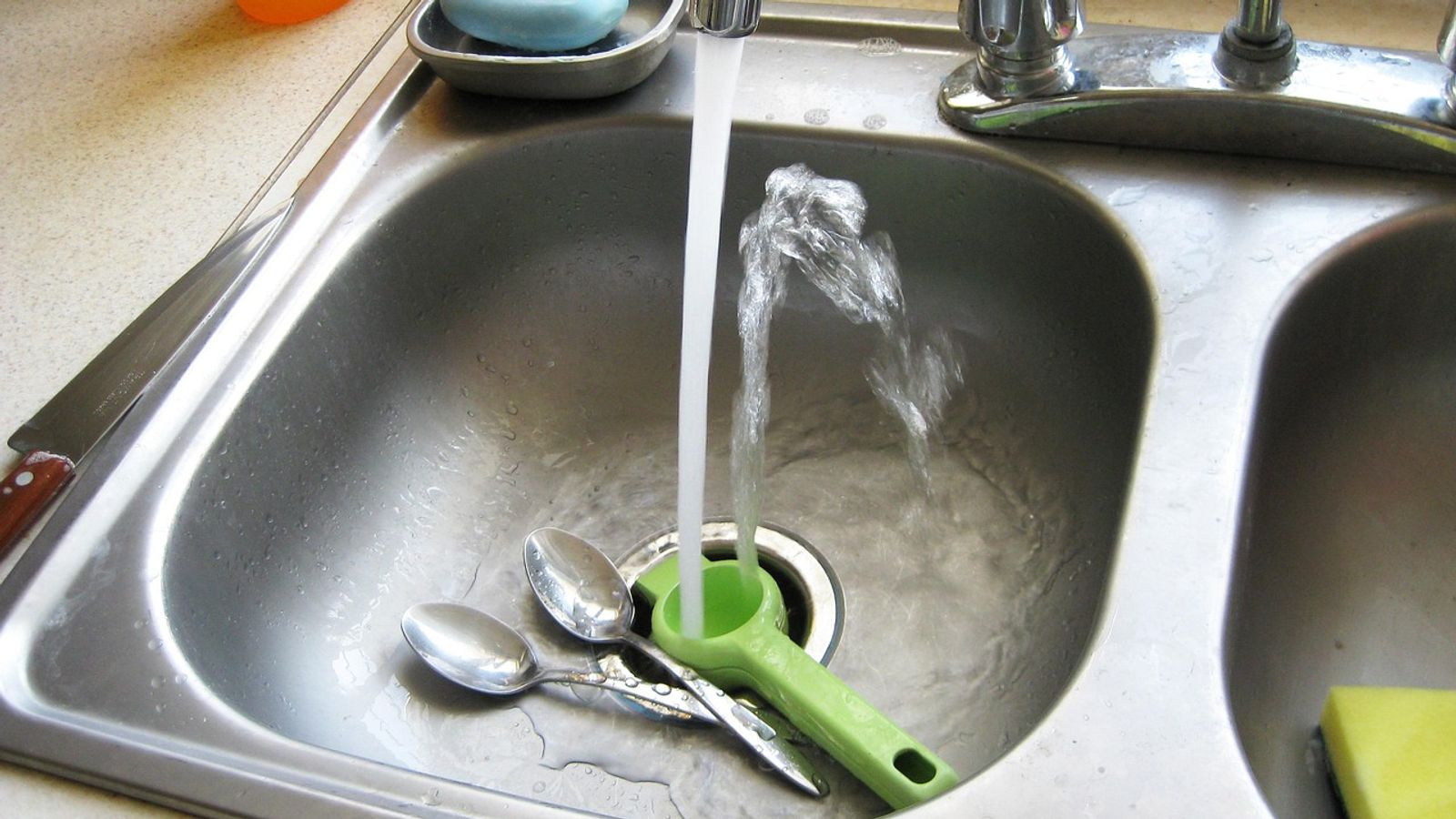
A faucet occupies a surprisingly prominent position in any room with a sink. You interact with it dozens of times daily, and its appearance influences the entire space. Whether your current fixture drips, looks dated, or simply doesn't match your evolving taste, targeted faucet updates offer one of
This guide presents realistic faucet upgrade options with honest assessments of their benefits, limitations, and what each approach demands in terms of budget, skill, and ongoing maintenance. Some updates require only basic hand tools and an afternoon. Others involve shutting off water supplies, dis
Understanding What You're Working With
Before selecting any upgrade path, examine your current faucet and the plumbing that supports it. Look underneath the sink to identify how many supply lines connect to the faucet—typically two for standard models, three when a separate sprayer or soap dispenser shares the deck. Count the holes in yo
Check the condition of the supply lines, shutoff valves, and the area where the faucet mounts. Corrosion, mineral buildup, or previous repairs using mismatched parts may indicate that a simple cosmetic update won't address underlying issues. If the shutoff valves beneath the sink haven't been turned
Note the faucet's current finish, handle configuration, spout reach, and height. Measure the distance from the faucet base to the back wall, the clearance above the sink, and the spout's reach over the basin. These dimensions determine whether a new faucet will fit your space and whether it will dir
Finish and Hardware Refreshes
Replacing visible hardware offers the quickest visual transformation when the faucet mechanism itself still functions properly. Many faucet manufacturers sell handle upgrade kits that replace dated acrylic or basic metal handles with lever designs, cross handles, or decorative knobs in finishes rang
The primary advantage of a handle-only update is simplicity. Most handles attach with a single setscrew concealed beneath a decorative cap. You'll need an Allen wrench or small screwdriver, and the entire swap takes minutes. The limitation is equally straightforward: you're refreshing only the most-
Aerator replacement represents another minimal-intervention upgrade. The aerator—the small screen assembly that screws into the spout tip—controls flow rate, spray pattern, and the feel of the water stream. Upgrading to a modern low-flow aerator can reduce water consumption from 2.2 gallons per minu
Aerators unscrew by hand or with a pair of slip-joint pliers applied gently to avoid marring the finish. Wrap the pliers' jaws with electrical tape or a cloth if you need extra grip. Bring the old aerator to a plumbing supply store to ensure thread compatibility—most kitchen faucets use a standard m
Spray Head and Hose Upgrades
If your kitchen faucet includes a side spray or pull-down spray head that has cracked, lost pressure, or become difficult to operate, replacing just that component can restore full functionality without disturbing the main faucet body. Manufacturers typically sell replacement spray heads and hoses a
Replacing a side spray involves disconnecting the hose from the spray head, feeding the new hose up through the sink deck hole, and connecting it to the supply beneath the faucet. You'll work in the cabinet beneath the sink, so clear the space and have a flashlight and basin ready to catch residual
Pull-down and pull-out spray heads attach to a hose that retracts into the faucet body. Replacement involves removing the old spray head (usually a threaded connection or snap ring), detaching the hose from the faucet's internal supply, and installing the new assembly. Some models use a counterweigh
The benefit of spray-component replacement is targeted repair at modest cost. The drawback is that if the faucet body itself is aging, you're investing in a fixture that may require full replacement soon. Evaluate the overall condition before committing to parts that may outlast the faucet they serv
Complete Faucet Replacement
Replacing the entire faucet opens the widest range of style, finish, and feature options. Modern faucets offer touchless activation, magnetic docking for spray heads, integrated water filtration, LED temperature indicators, and commercial-style pre-rinse sprayers. You can shift from a two-handle des
Selecting a replacement faucet begins with matching the sink's hole configuration. Single-hole faucets require one opening and typically include an integrated spout and handle. Centerset faucets use three holes spaced four inches apart, with separate handles flanking a central spout. Widespread fauc
Consider spout reach and height in relation to your sink's size and your typical tasks. A high-arc spout provides clearance for large pots but may splash in a shallow bar sink. A pull-down spray head adds flexibility but requires adequate clearance behind the faucet for the hose to retract. Commerci
Finish durability varies. Polished chrome resists corrosion and cleans easily but shows water spots and fingerprints. Brushed or satin finishes in nickel or stainless steel hide minor marks better. Physical vapor deposition (PVD) finishes offer superior scratch and tarnish resistance compared to ele
Flow rate and certification matter for both performance and efficiency. Look for faucets bearing the WaterSense label, which indicates EPA-certified water efficiency without sacrificing performance. Check the flow rate specification—1.8 GPM suits most kitchen tasks, while bathroom faucets often oper
Installation Considerations for Homeowners
Replacing a faucet involves shutting off water supplies, disconnecting supply lines, removing the old faucet, preparing the mounting surface, installing the new fixture, reconnecting supplies, and checking for leaks. Many homeowners successfully complete this work, but several factors determine whet
Access beneath the sink is the first practical consideration. You'll spend significant time lying on your back inside a cabinet, reaching upward to tighten mounting nuts and connect supply lines. If the space is cramped, cluttered, or if you have mobility limitations, the physical challenge may outw
Shutoff valve condition is critical. Before starting any work, turn the hot and cold shutoff valves beneath the sink to the closed position and open the faucet to relieve pressure. If the valves leak, won't turn, or don't fully stop water flow, you'll need to address that issue before proceeding. In
Supply line compatibility affects the installation. Older faucets may have supply lines that connect directly to the faucet body, while newer models often use flexible braided supply lines that run from the shutoff valves to the faucet's threaded shanks. If your existing setup uses rigid copper tube
Mounting hardware varies by faucet design. Some faucets secure from above with a decorative ring or escutcheon. Others use mounting nuts tightened from below, sometimes requiring a basin wrench—a specialized tool with a long handle and pivoting jaw designed to reach nuts in tight spaces behind the s
Deck plate and hole alignment require attention. If you're switching from a widespread to a centerset configuration or vice versa, verify that the new faucet's deck plate covers all existing holes. Some deck plates attach with screws from below; others rely on the faucet's weight and a gasket seal.
When to Call a Professional
Certain conditions move faucet replacement from the DIY category into professional territory. If you discover active leaks, corrosion, or damage to the sink deck when you remove the old faucet, a plumber can assess whether repair is possible or whether sink replacement is necessary. If the existing
Non-standard installations—such as faucets mounted on walls, faucets serving commercial-style sinks with unusual hole spacing, or faucets integrated with water filtration or instant hot-water systems—often involve complexities that exceed typical homeowner tool sets and experience. If your project r
Any situation involving supply lines that run inside walls, faucets that require new shutoff valves soldered onto copper pipes, or installations where building codes may apply should prompt a call to a licensed plumber. Some jurisdictions require permits for plumbing fixture replacement, particularl
If you're uncomfortable with any aspect of the work, or if you begin a DIY installation and encounter unexpected complications—such as frozen mounting nuts, cross-threaded connections, or supply lines that don't align with the new faucet—stopping and consulting a professional prevents damage that ca
Coordinating Upgrades for Maximum Impact
A faucet upgrade often reveals opportunities to refresh adjacent elements. If you're replacing a kitchen faucet, consider whether the sink itself shows stains, chips, or an outdated color. Replacing both together eliminates the need to work around an installed sink and ensures perfect compatibility.
In bathrooms, faucet replacement pairs naturally with new drain assemblies, updated mirror frames, or fresh caulk around the sink. If your vanity top is laminate or tile from a previous decade, a new faucet may emphasize rather than disguise the dated surface. Evaluate the entire vignette and decide
Timing matters when coordinating multiple upgrades. If you're planning a larger remodel within the next year or two, investing in a premium faucet now may mean removing a nearly new fixture when you replace countertops or cabinetry. Conversely, if your current faucet functions poorly and you have no
Maintenance After the Upgrade
Once you've installed a new or refreshed faucet, a few maintenance habits will preserve its appearance and function. Wipe the faucet dry after use to prevent water spots and mineral deposits, particularly if you have hard water. Use a soft cloth and mild soap rather than abrasive cleaners or scourin
Clean aerators every few months by unscrewing them, disassembling the components, and rinsing away sediment. Soak the screen in vinegar if mineral deposits have reduced flow. Inspect the rubber washer inside the aerator and replace it if it's cracked or compressed, as a damaged washer can cause leak
For pull-down or pull-out spray heads, periodically check that the hose retracts smoothly and that the docking magnet (if equipped) holds the spray head securely. If retraction becomes sluggish, ensure the counterweight moves freely and that the hose isn't kinked or caught on supply lines. Wipe down
Monitor connections beneath the sink for the first few weeks after installation. Check for moisture on supply lines, around the faucet base, and at shutoff valves. A small drip can indicate a connection that needs slight tightening—but avoid over-tightening, which can damage threads or crack fitting
Balancing Cost, Effort, and Outcome
Faucet upgrades span a wide spectrum of investment and complexity. A new aerator costs less than ten dollars and installs in seconds. A complete faucet replacement can range from under a hundred dollars for a basic builder-grade model to several hundred for a designer fixture with advanced features,
The right choice depends on your current faucet's condition, your budget, your skill level, and how long you plan to remain in your home. If you're preparing to sell, a mid-range faucet in a current finish can modernize a kitchen or bath without over-investing in a home you won't enjoy. If you're se
Consider the total project cost, including not just the faucet but also any tools you'll need to purchase, replacement supply lines, plumber's tape, and potential repairs to shutoff valves or surrounding surfaces. Factor in the value of your time and the risk of complications. A professional install
Making the Decision
Walk through your home and evaluate each sink area with fresh eyes. Does the faucet function smoothly, or do you fight with a sticky handle or weak spray every day? Does the finish complement your current décor, or does it clash with updated hardware and appliances? Is the faucet's height and reach
Honest answers to these questions will clarify whether a minor refresh—new handles, a better aerator, a replacement spray head—will solve your concerns, or whether a complete faucet replacement is the only path to the improvement you're seeking. Neither approach is inherently superior; the best choi
Sources
Original information
- WaterSense Home Maintenance — U.S. Environmental Protection Agency
- Fix a Leak Week — U.S. Environmental Protection Agency