
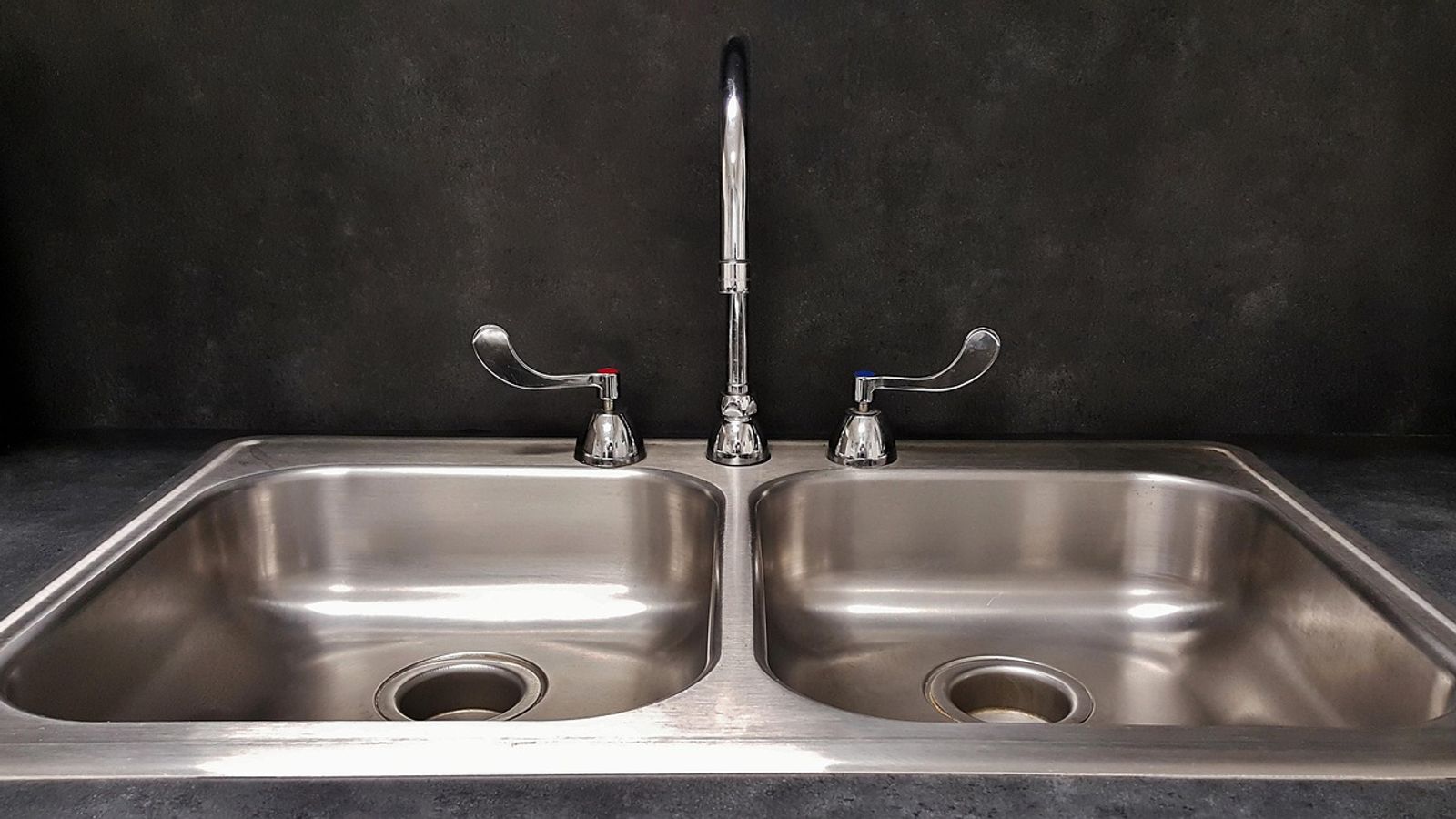
The cabinet beneath your sink presents a unique storage challenge. Unlike other kitchen or bathroom spaces, this area contains active plumbing that requires periodic inspection, emergency shutoff access, and occasional repair. A well-designed storage system must balance maximum use of available spac
Most under-sink cabinets waste significant usable volume. Homeowners stack cleaning supplies haphazardly around pipes, creating unstable towers that topple when you grab a single item. Others install fixed shelving that blocks valve access or makes it impossible to remove a P-trap without first dism
Before selecting any storage solution, spend time understanding your specific cabinet configuration. Open the doors and identify the location of hot and cold shutoff valves, the P-trap assembly, supply lines, drain tailpiece, and any garbage disposal or dishwasher connections. Note which components
Check whether your drain assembly is centered or offset to one side. Kitchen sinks with garbage disposals typically push the drain connection several inches to one side, creating a larger open area on the opposite side. Double-bowl kitchen sinks often have plumbing concentrated in the center, leavin
Examine the cabinet floor for signs of past leaks—water stains, warping, or deteriorated material. Address any active leaks before installing storage systems, since even minor drips will damage organizational products and the supplies you store. If the cabinet floor shows significant damage, conside
Removable and Modular Systems
Freestanding organizers offer the most flexibility for maintaining plumbing access. Sliding drawer units on casters roll forward completely, exposing all plumbing for inspection or repair. These systems typically feature two or three shallow drawers sized for cleaning supplies, sponges, and small to
Stackable bins and baskets create customizable storage that adapts to your specific plumbing layout. Choose clear containers so you can identify contents without opening each bin, and select sizes that fit around rather than over your pipes. Handles on each container make removal quick when you need
Tension-rod dividers installed vertically create compartments for flat items like cutting boards, baking sheets, or cleaning cloths without blocking horizontal access to plumbing. Position the rods in front of or behind pipe runs rather than directly over them. This system costs very little and requ
Shelving That Works Around Obstacles
Adjustable shelving systems with removable sections accommodate plumbing while adding usable surface area. The most effective designs use shelves that split into two or three pieces, allowing you to remove only the section that blocks access to a particular valve or connection. Some systems feature
Expandable shelves that telescope to fit your cabinet width provide flexibility without permanent installation. Models with adjustable height legs let you position the shelf above low-profile items or below overhead obstructions. The key is selecting a design where the support structure does not cre
Tiered organizers that step back as they rise make efficient use of vertical space while keeping lower levels accessible. These work particularly well in cabinets with garbage disposals or other bulky components that occupy the lower rear area. Place frequently used items on the front tiers where yo
Door-Mounted and Hanging Solutions
Cabinet doors offer valuable storage real estate that does not interfere with plumbing access at all. Over-the-door organizers with pockets or shelves hold cleaning supplies, sponges, gloves, and small tools. Choose models that hang from the top edge of the door rather than requiring screws, or veri
Command hooks or adhesive-backed clips attached to the inside of cabinet doors provide hanging storage for spray bottles, scrub brushes, and dish gloves. This approach keeps items visible and accessible while leaving the cabinet floor completely clear for plumbing access. The limitation is weight ca
Magnetic strips mounted to the inside of metal cabinet doors hold small metal tools, scissors, or other items you want to keep handy. This works only if your cabinet doors are steel rather than wood or laminate, and the magnetic force must be strong enough to hold items securely when the door swings
Custom and Semi-Custom Approaches
Pull-out shelving systems that mount to the cabinet sides create drawer-like access to the entire cabinet interior. Professional-grade systems use ball-bearing slides rated for significant weight and feature shelves with raised edges to prevent items from sliding off as the shelf extends. The shelve
These systems require careful measurement and installation, including attaching mounting hardware to the cabinet sides with screws. Verify that the cabinet sides are solid wood or plywood thick enough to hold screws securely—particleboard or thin panels may not provide adequate support. Consider whe
Lazy Susan turntables work well in corner cabinets where plumbing enters from the back wall. The rotating platform lets you spin supplies into view without reaching into dark corners. Choose a diameter that clears all plumbing with room to spare, since the platform must rotate freely without catchin
Planning for Maintenance and Emergency Access
Whatever storage system you choose, test your ability to reach critical plumbing components before you load the cabinet with supplies. Practice turning the hot and cold shutoff valves to ensure you can operate them quickly in an emergency. Verify that you can position a bucket beneath the P-trap and
Establish a mental map of where each type of supply belongs so you can quickly remove only what is necessary for plumbing access. Store your most frequently used items in the most accessible locations, and place seldom-used supplies in areas that would need to be cleared for major plumbing work anyw
Label containers clearly, especially if you use opaque bins or baskets. In an emergency, you do not want to waste time opening multiple containers to find a specific cleaning product or tool. Group related items together—all drain-cleaning supplies in one container, all dish soaps and detergents in
Safety and Practical Boundaries
Never store items in a way that prevents you from quickly shutting off water supply in an emergency. Shutoff valves must remain accessible at all times, since a burst supply line or failed connection can release gallons of water per minute. If you cannot reach the valves within seconds, your storage
Avoid storing heavy items on high shelves or in unstable stacks that could fall and damage plumbing connections. A falling container that strikes a supply line or drain connection can cause immediate leaks. Similarly, do not store items so tightly around pipes that you must force them into place or
Keep corrosive drain cleaners, bleach, and other hazardous chemicals in their original containers with labels intact. Store them in a way that prevents tipping or leaking onto other supplies or plumbing components. If you have children in the home, consider whether under-sink storage is appropriate
Inspect your under-sink area periodically for signs of leaks, corrosion, or deteriorating supply lines. Even the best storage system cannot prevent plumbing problems, but good organization makes problems easier to spot early. If you notice water pooling, staining, or unusual odors, remove storage it
When to Consult a Professional
If your plumbing configuration makes storage seem impossible, consult a qualified plumber about whether components can be rearranged to create more usable space. In some cases, replacing a bulky P-trap with a space-saving design or rerouting supply lines can open significant cabinet area without com
When cabinet damage from past leaks is extensive, a qualified carpenter or cabinet installer can assess whether repair or replacement is the better option. Severely damaged cabinet floors or sides may not safely support storage systems, and attempting to install organizers on compromised surfaces ca
If you are planning a kitchen or bathroom remodel, discuss under-sink storage with your designer and plumber before finalizing the layout. Thoughtful placement of plumbing connections during construction or renovation can create much better storage opportunities than trying to work around poorly pos
Sources
Original information
- How to Care for Your Septic System — U.S. Environmental Protection Agency
- WaterSense Home Maintenance — U.S. Environmental Protection Agency