
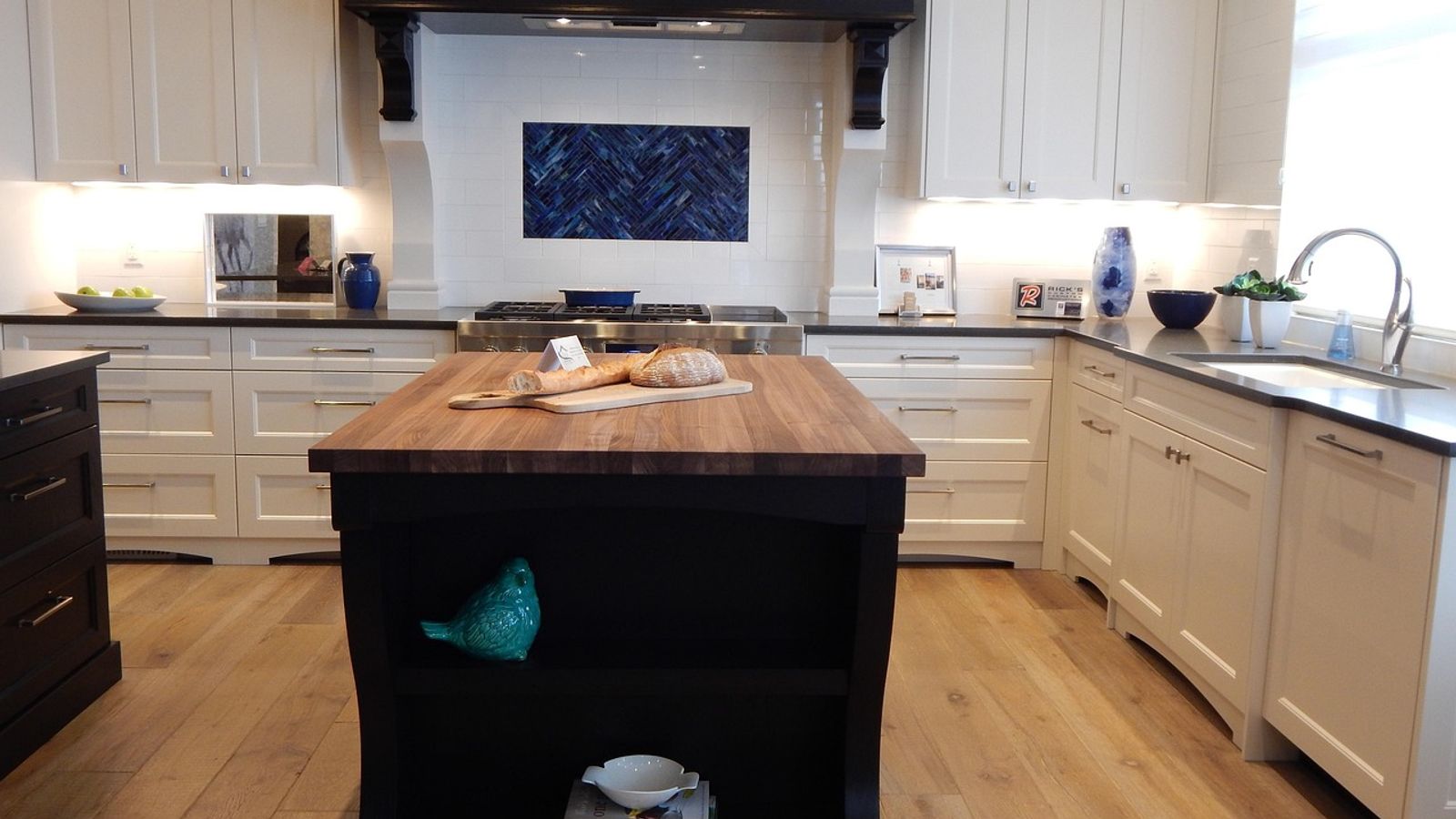
The usual countertop depth in American kitchens is 25 inches from the wall to the front edge. This measurement accommodates standard 24-inch-deep base cabinets plus a 1-inch overhang at the front, creating a comfortable work surface that protects cabinet doors and drawer fronts from spills while pro
This standard exists because it balances several practical needs: enough depth to house typical kitchen appliances, sufficient overhang to shield cabinetry, comfortable reach for most adults working at the counter, and compatibility with standard dishwasher and range dimensions. When you walk into m
When Standard Depth Works
A 25-inch countertop depth serves most kitchens well when you're using standard 24-inch base cabinets along walls, installing typical ranges and cooktops that fit within standard cutouts, placing undermount or drop-in sinks in standard configurations, and working with stock countertop materials that
The 1-inch overhang beyond the cabinet face protects doors and drawer fronts from drips and splashes. It also creates a shadow line that visually separates the countertop from the cabinetry below. For kitchens with standard layouts and no special requirements, this depth rarely causes problems and s
Situations That Require Different Depths
Several scenarios call for countertop depths other than 25 inches. Kitchen islands often use deeper countertops—typically 36 to 42 inches—to accommodate seating on one or both sides. A 15-inch overhang on the seating side provides knee space for bar stools or chairs, while the remaining depth houses
Accessibility requirements may dictate shallower countertops. Kitchens designed for wheelchair users sometimes use 20- to 22-inch depths to allow closer approach to the work surface. Conversely, homeowners who are significantly taller than average may prefer 27- to 30-inch depths to reduce the need
Appliance integration also drives depth changes. Refrigerators with cabinet-depth designs typically measure 24 inches deep, but standard-depth refrigerators extend 30 to 36 inches from the wall. When you want the refrigerator to align with surrounding cabinetry, you may extend the countertop depth i
Peninsula countertops—those that extend from a wall with one open end—sometimes use deeper dimensions to create a visual anchor or additional workspace. A 30- to 36-inch depth on a peninsula provides room for casual dining on one side while maintaining storage or appliances on the other. Bathroom va
Planning a Non-Standard Depth
Before you commit to a countertop depth different from 25 inches, measure your base cabinets carefully. Standard base cabinets measure 24 inches from front to back, not including the door or drawer face. If you're working with custom or semi-custom cabinetry, verify the actual cabinet depth before o
Consider how the depth change affects adjacent counters and appliances. A deeper island countertop creates a height difference if the island and perimeter counters meet at a corner, requiring careful planning of the transition. Deeper countertops also consume more floor space, which matters in small
Material availability and cost increase with non-standard depths. Quartz and granite slabs typically come in widths of 55 to 65 inches, which easily accommodate two 25-inch countertops from a single slab. Deeper countertops may require larger slabs or additional seams, increasing material waste and
Check whether your countertop depth affects support requirements. Overhangs greater than 10 inches typically need corbels, brackets, or other reinforcement to prevent cracking or sagging, especially with stone materials. If you're planning a 15-inch overhang for seating, discuss support options with
Measuring Your Current Countertops
To determine your existing countertop depth, measure from the wall surface—not the backsplash—to the front edge of the counter. Use a tape measure and take readings at several points along the counter, since older installations sometimes vary. If a backsplash is present, measure from the wall behind
Note any variations in depth throughout the kitchen. Islands, peninsulas, and sections around appliances may differ from the main perimeter counters. Photograph these areas and mark the measurements on a simple sketch of your kitchen layout. This documentation helps when you're planning a renovation
Working With Fabricators and Installers
When you order custom countertops, the fabricator will perform a field measurement after your cabinets are installed. This template visit captures exact dimensions, including any out-of-square walls, variations in cabinet depth, and appliance locations. Discuss your desired depth at this appointment
Ask about seam placement if your countertop depth requires larger slabs or multiple pieces. Seams are strongest when they run perpendicular to the front edge and are located away from sink cutouts and cooktop openings. For island countertops with seating overhangs, confirm that the fabricator will i
Verify that the installer will check for level and plumb during installation. Deeper countertops amplify any slope in the cabinet tops, potentially causing water to pool near the backsplash or run toward the front edge. The installer should shim cabinets as needed to create a level surface before se
When to Involve a Professional
Homeowners can measure existing countertops and plan desired depths as part of a kitchen renovation, but countertop fabrication and installation require professional skills and equipment. Cutting stone, quartz, or solid-surface materials demands specialized saws, dust-control systems, and experience
Structural modifications to support non-standard countertop depths fall outside typical homeowner capabilities. If you're adding a deep island overhang that requires corbels anchored to the floor or cabinet frame, or if you're installing a cantilevered counter that needs blocking inside the wall, hi
Any work that involves moving plumbing lines, electrical outlets, or gas connections to accommodate a depth change requires licensed tradespeople. Relocating a sink drain or dishwasher supply lines may seem straightforward, but improper plumbing work leads to leaks and water damage. Moving electrica
Cabinet modifications to support non-standard countertop depths also warrant professional help. If you're deepening countertops beyond your existing cabinet depth, the cabinets may need reinforcement, additional framing, or complete replacement. A kitchen designer or cabinetmaker can assess whether
Verification and Final Checks
After countertop installation, verify that the depth matches your specifications by measuring at multiple points. Check that overhangs are consistent along the front edge and that any seating overhangs provide adequate knee space—typically 15 inches minimum for comfortable use. Open all cabinet door
Inspect seams for tight alignment and proper support underneath. Run your hand along seam edges to feel for any height difference between sections, which can indicate inadequate support or settling. For island or peninsula installations with overhangs, gently press downward on the unsupported edge t
Confirm that the countertop is level by placing a spirit level in multiple orientations across the surface. Minor variations are acceptable, but significant slopes can cause functional problems and may indicate cabinet installation issues. Check that the backsplash meets the wall evenly along its le
Understanding standard countertop depth and the factors that justify changes helps you plan kitchen renovations that balance aesthetics, function, and budget. While 25 inches serves most kitchens well, thoughtful adjustments for islands, accessibility, or appliance integration can significantly impr
Sources
Original information
- Consumer Guide to Kitchen Appliances — U.S. Department of Energy
- Online Permit Submission — City of Jacksonville