
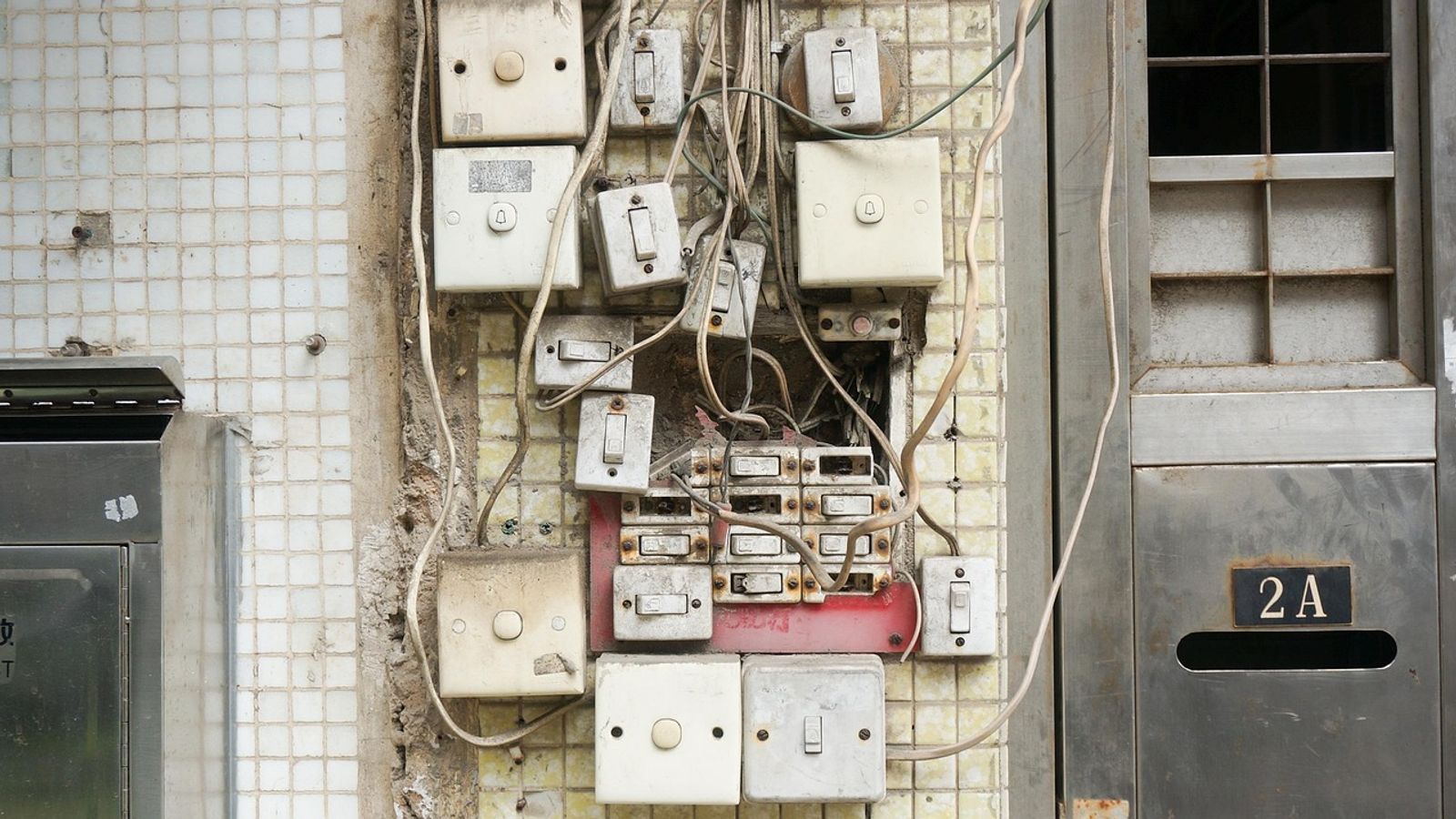
Prepare
Tools and materials
- flashlight
- screwdriver
- home maintenance log
- non-contact voltage tester
Safety boundary
Stop and reassess if
- Never attempt to repair outlets, switches, or electrical wiring yourself—all electrical repairs require a licensed electrician
- Turn off circuit breakers before inspecting outlets or switches with cover plates removed
- Do not touch outlets or switches that have shocked you—turn off the circuit and call a licensed electrician immediately
- If you smell burning odor or see smoke from an outlet or switch, turn off the circuit breaker and call a licensed electrician
- Do not use outlets or switches that feel hot, show discoloration, or produce sparks
- Never insert tools, fingers, or objects into outlets or electrical boxes
- Use only the back of your hand for light contact when checking for heat—never grip suspected problem outlets firmly
- GFCI outlets in bathrooms, kitchens, and outdoor locations protect against ground faults—test them monthly
- Do not remove outlet or switch devices from electrical boxes—inspection should be limited to visual examination with cover plates removed
- If you cannot identify which circuit breaker controls a problem outlet, turn off the main breaker and call a licensed electrician
- Electrical work typically requires permits and inspections—check with your local authority having jurisdiction
- Do not use extension cords or power strips as permanent wiring solutions
- Replace damaged cover plates immediately to prevent contact with live electrical components
Your home's electrical outlets and switches handle thousands of connections every year, and like any heavily used component, they can develop problems that range from minor annoyances to serious fire hazards. Most electrical failures give advance warning through visible, audible, or tactile signs th
This guide teaches you to identify the warning signs that indicate outlet and switch problems, explains what each symptom means, and clarifies which situations require immediate professional intervention. While homeowners can safely inspect and identify many electrical issues, repairs to the electri
Visual Warning Signs
Discoloration around outlets or switches is one of the most common and serious warning signs. Brown, black, or gray marks on the wall plate or surrounding wall indicate heat damage from arcing, loose connections, or overloaded circuits. These scorch marks mean electrical current has created enough h
Melted or warped plastic components tell you that excessive heat has deformed the outlet, switch, or cover plate. Standard residential outlets and switches use thermoplastic materials rated for normal operating temperatures. When these components melt, warp, or become soft, the electrical connection
Cracks, chips, or broken pieces in outlet or switch covers expose live electrical components. Even hairline cracks can allow moisture, dust, or foreign objects to contact energized parts. Broken mounting tabs, missing screws, or loose cover plates that rattle or shift also compromise the protective
Visible sparks when you plug in a device or flip a switch indicate arcing between electrical contacts. A brief, tiny blue spark when making or breaking a connection is normal electrical behavior. However, repeated sparking, large sparks, or sparks accompanied by burning smell or sound means connecti
Thermal Warning Signs
Warm or hot outlet and switch plates signal excessive resistance in the electrical connection. Touch the cover plate with the back of your hand—if it feels noticeably warmer than room temperature or other nearby plates, current is generating heat somewhere in the circuit. Outlets and switches should
Outlets that feel hot to the touch require immediate attention. Disconnect any plugged-in devices and avoid using that outlet until a licensed electrician inspects it. Heat sufficient to feel through the plastic housing means internal components are operating well above their design temperature. Con
Audible Warning Signs
Buzzing, humming, or sizzling sounds from outlets or switches indicate arcing or loose connections. Electrical current flowing through air or across gaps creates these noises as it ionizes the air or jumps between conductors. The sound may be constant or intermittent, and it often correlates with de
Crackling or popping sounds suggest intermittent contact or arcing. These sharp, irregular noises occur when electrical connections make and break rapidly, often due to loose wire terminals, degraded switch contacts, or failing outlet receptacles. The problem typically worsens over time as arcing er
Tactile and Functional Warning Signs
Loose outlets that allow plugs to fall out or sit at odd angles indicate worn receptacle contacts. The spring-loaded contacts inside outlets grip plug prongs to maintain electrical connection. Over years of use, these contacts lose tension and no longer hold plugs securely. Loose contacts create int
Switches that feel loose, stick, or require unusual force to operate have failing internal mechanisms. A properly functioning switch should move smoothly with consistent resistance and produce a definite click at each position. Grinding, sticking, or mushy feel indicates worn contacts, broken spring
Outlets or switches that shock you when touched indicate a ground fault or exposed energized component. Even a mild tingle means electrical current is finding a path through your body to ground. This is never normal and always dangerous. Do not use the outlet or switch again. Turn off the circuit br
Flickering lights connected to a switch suggest loose connections at the switch, light fixture, or circuit wiring. Occasional flickers during storms or when large appliances start are normal. Persistent flickering, especially when isolated to one switch or circuit, indicates a poor connection that c
Odor Warning Signs
Burning plastic or electrical odor near outlets or switches signals overheating components. This distinctive acrid smell comes from insulation, wire jackets, or plastic components breaking down under heat. If you detect this odor, identify the source immediately. Feel nearby outlets and switches for
Fishy or urine-like odors can also indicate electrical problems. Certain plastics and wire insulation produce these unexpected smells when they overheat. The odor may be subtle at first and intensify as the problem worsens. Trust your nose—if you smell something unusual near electrical components, i
Circuit Breaker Correlation
Outlets or switches on circuits that trip frequently indicate overload, short circuit, or ground fault conditions. Modern circuit breakers protect wiring from overcurrent by interrupting power when current exceeds safe levels. A breaker that trips once may have responded to a temporary overload. Rep
GFCI outlets that trip without obvious cause may be detecting actual ground faults or experiencing internal failure. Ground Fault Circuit Interrupter outlets monitor current balance between hot and neutral conductors, tripping when they detect even small imbalances that indicate current leaking to g
Safe Inspection Procedures
You can safely inspect outlets and switches for warning signs without touching electrical components. Visual inspection requires only your eyes and a flashlight. Remove the cover plate by unscrewing the single center screw—this exposes the device mounting but not the wire connections. With the cover
Thermal inspection uses the back of your hand held near or lightly touching the cover plate. Never grip an outlet or switch firmly if you suspect problems—use light contact that allows you to pull away instantly if you feel shock. Check outlets and switches during normal use when circuits carry typi
Functional testing involves normal operation—plugging in devices, flipping switches, and observing behavior. Note whether plugs fit snugly, switches operate smoothly, and connected devices function properly. Listen for unusual sounds during operation. Smell for odors near the device. This testing re
When to Stop and Call a Licensed Electrician
Any warning sign described in this guide requires professional evaluation. While you can identify problems through inspection, repairs to outlets, switches, and circuit wiring require a licensed electrician. Electrical work involves direct contact with energized circuits, requires knowledge of code
Call a licensed electrician immediately if you experience shocks from outlets or switches, smell burning odors, see smoke or flames, observe large sparks, or find components hot enough to cause discomfort. These conditions indicate active failures that pose immediate danger. Turn off the circuit bre
Situations requiring urgent professional response include multiple outlets or switches showing symptoms, entire circuits that fail, any problem in wet locations like bathrooms or kitchens, and symptoms that appear suddenly or worsen rapidly. Electrical problems rarely improve on their own and typica
Understanding Electrical System Age and Capacity
Homes built before 1960 often contain outdated wiring systems, outlet types, and switches that do not meet current safety standards. Ungrounded two-prong outlets, cloth-insulated wiring, and obsolete fuse panels present elevated risks. If your home contains these older components, consider having a
Modern homes face different challenges, primarily circuit overload from increased electrical demand. Outlets and switches rated for 15-amp circuits can overheat when homeowners plug in multiple high-draw devices using power strips and adapters. Calculate the total wattage of devices on each circuit
Preventive Monitoring
Establish a routine inspection schedule for outlets and switches throughout your home. Walk through each room quarterly, looking at every visible outlet and switch for discoloration, damage, or loose components. Test GFCI outlets monthly. Feel cover plates for unusual warmth. Listen for buzzing or c
Keep a home maintenance log documenting outlet and switch problems, repairs, and inspection findings. Note the location, date, symptoms observed, and actions taken. This record helps you identify patterns, track recurring problems, and provide useful information to electricians. Patterns like multip
Special Considerations for Specific Locations
Outlets and switches in bathrooms, kitchens, laundries, basements, garages, and outdoor locations face moisture exposure that accelerates deterioration. These locations require GFCI protection and weather-resistant devices where applicable. Inspect these outlets more frequently and replace them at t
Outlets behind furniture, appliances, and in other hidden locations deserve attention during home cleaning and furniture rearrangement. These forgotten outlets may show advanced deterioration before you discover them. When you move furniture, inspect any exposed outlets for warning signs. Outlets th
Recognizing electrical outlet and switch warning signs protects your home and family from fire and shock hazards. While you can safely identify problems through careful observation, all repairs require a licensed electrician. Trust your senses—if something looks, feels, sounds, or smells wrong, it p
Sources
Original information
- Home Electrical Safety Checklist — U.S. Consumer Product Safety Commission